
Whoop vs Oura Ring vs Apple Watch: Which Recovery Tracker Actually Delivers?
Based on peer-reviewed HRV accuracy studies, expert testing from Garage Gym Reviews, and thousands of real user reviews
The short answer: For most people, the Oura Ring wins this three-way battle. It delivers the highest HRV accuracy (99% correlation with medical-grade ECG), the lowest ongoing subscription cost ($6/month vs Whoop's $30), and 8-day battery life in a discreet design you'll actually wear 24/7. Athletes obsessed with strain scoring should consider Whoop, while iPhone users who want a full smartwatch should grab Apple Watch—but for pure recovery and sleep tracking, Oura is the clear champion. Get Oura Ring Gen 3 on Amazon →
The Fighters
| Whoop 4.0 | Oura Ring Gen 3 | Apple Watch Series 10 | |
|---|---|---|---|
| Price | Free + $30/mo subscription | $299-$549 + $6/mo | $399-$699 one-time |
| Best For | Athletes tracking strain | Sleep optimization | All-around smartwatch |
| Battery | 4-5 days | 4-8 days | 18-36 hours |
| Water Resistance | 10m | 100m | 50m |
| Form Factor | Wrist strap (screenless) | Ring (discreet) | Smartwatch (display) |
| HRV Accuracy | 94% correlation | 99% correlation | 98% correlation |
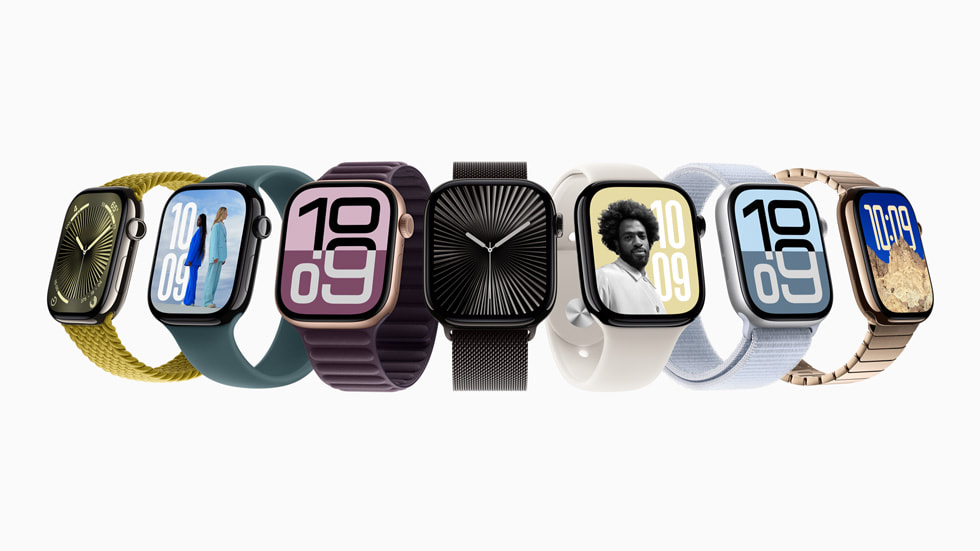
The Death Match: 6 Rounds, 1 Winner
We're scoring each round from 1-10. Higher score wins the round. Let's fight!
Round 1: HRV & Recovery Accuracy
This is the whole point of buying a recovery tracker, so accuracy matters most. A 2026 peer-reviewed study tested all three devices against medical-grade ECG during 536 nights of sleep.
Oura Ring achieved the highest HRV accuracy with a 0.99 concordance correlation coefficient (CCC) and just 5.96% mean absolute percentage error (MAPE). The ring's finger placement gives it an advantage—the fingertip has richer blood vessel density, producing stronger PPG signals than wrist-based devices.
Whoop 4.0 delivered moderate accuracy with 0.94 CCC and 8.17% MAPE. The Australian Institute of Sport found 99.7% HR accuracy and 99% HRV accuracy, though this study was more limited in scope.
Apple Watch scored 0.98 ICC in CQUniversity testing—solid, but it measures HRV periodically throughout the day rather than during sleep, which introduces more variability from external factors.
| Whoop 4.0 | Oura Ring Gen 3 | Apple Watch S10 |
|---|---|---|
| 7/10 | 10/10 | 8/10 |
Round 1 Winner: Oura Ring — Highest peer-reviewed HRV accuracy at 99% correlation with medical-grade equipment.
Score after Round 1: Whoop 7 | Oura 10 | Apple Watch 8
Round 2: Sleep Tracking Depth
All three track sleep stages—light, deep, REM—but the depth of analysis varies dramatically.
Oura Ring was built specifically for sleep. A 2024 study in Sleep Medicine validated its sleep stage accuracy against laboratory polysomnography. The app shows your sleep timing trends, temperature deviations, and contextualizes how yesterday's strain affected tonight's rest. Users report it tends to show higher deep sleep readings than competitors.
Whoop positions sleep as a recovery metric. According to Wareable, it provides granular sleep stage breakdowns emphasizing REM and deep sleep, but its real value is connecting sleep to your training strain. Multiple users report deep sleep readings that seem low—healthy adults should get 1-2 hours, but Whoop often shows under an hour.
Apple Watch collects the data but doesn't do much with it. Reviewers note the sleep tracking is "data-heavy but has no actionability"—missing information like average bedtimes or personalized sleep needs. It feels like an overview rather than active sleep coaching.
| Whoop 4.0 | Oura Ring Gen 3 | Apple Watch S10 |
|---|---|---|
| 8/10 | 9/10 | 6/10 |
Round 2 Winner: Oura Ring — Purpose-built for sleep analysis with validated accuracy and actionable insights.
Score after Round 2: Whoop 15 | Oura 19 | Apple Watch 14
Round 3: Strain & Activity Tracking
Here's where Whoop makes its case. For athletes who need to know "how hard did I push today?" nothing beats its strain scoring system.
Whoop assigns every day a strain score (0-21) based on cardiovascular load. It tracks 24/7 physiological data and tells you exactly when you've recovered enough to train hard again. Garage Gym Reviews scores it 4.5/5 for athletes prioritizing recovery-based training decisions.
Apple Watch offers comprehensive workout tracking with GPS, step counting, calorie tracking, and dozens of workout types. The new watchOS 11 "Training Load" feature attempts to replicate Whoop's strain concept by comparing your weekly training volume to previous weeks. Third-party apps like Athlytic and Training Today can turn Apple Watch into a Whoop-style recovery tracker.
Oura Ring is honestly "really bad at activity tracking" according to multiple reviewers. You can't start or record workouts like on Apple Watch or Whoop—the ring simply detects activity passively. It counts steps and estimates calories, but for anyone who actually trains, it's not enough.
| Whoop 4.0 | Oura Ring Gen 3 | Apple Watch S10 |
|---|---|---|
| 10/10 | 5/10 | 8/10 |
Round 3 Winner: Whoop — Strain scoring is its entire reason for existing, and it does it best.
Score after Round 3: Whoop 25 | Oura 24 | Apple Watch 22
Round 4: Battery Life & Wearability
Recovery tracking only works if you actually wear the device 24/7. That means battery life and comfort matter enormously.
Oura Ring lasts 4-8 days on a single charge—longest of the three. It's titanium, weighs almost nothing, and looks like jewelry. You can wear it through showers, sleep, and workouts without thinking about it. The 100m water resistance means serious swimmers can use it too. The main complaint: fingers swell during sleep, so some users need different sizes for day vs night.
Whoop gets 4-5 days, though users report it often dies at day 4, not the promised 5. The clever slide-on battery pack lets you charge while wearing it, which is genuinely useful. However, multiple users complain about soggy/fading bands, the charger being easy to lose, and the tight fit required for accurate readings leaving wrist imprints that last for hours.
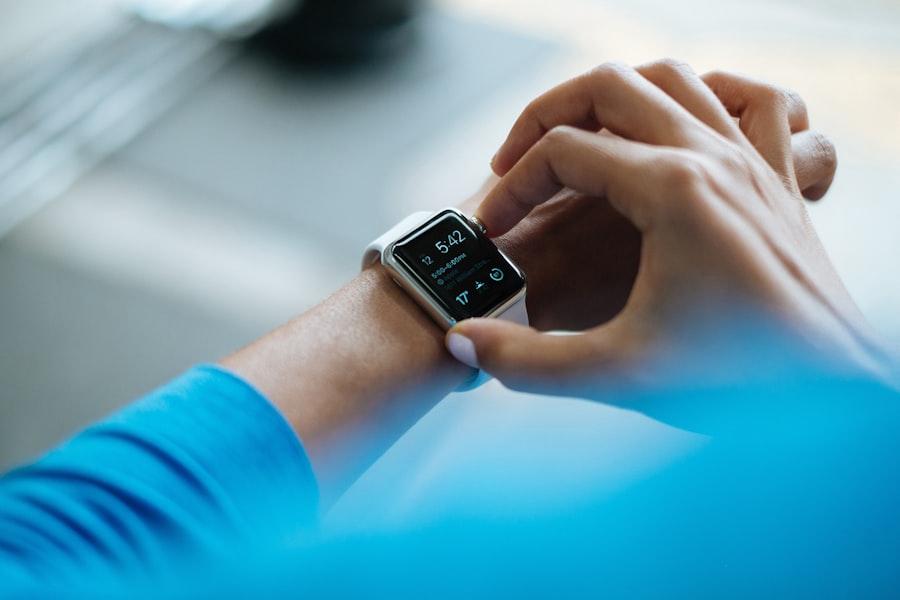
Apple Watch needs charging every 18-36 hours—that means daily charging. For sleep tracking, you need to charge it before bed, which many people forget. The Series 10 is Apple's thinnest and lightest ever, but it's still bulky compared to a ring or screenless strap.
| Whoop 4.0 | Oura Ring Gen 3 | Apple Watch S10 |
|---|---|---|
| 7/10 | 9/10 | 5/10 |
Round 4 Winner: Oura Ring — Week-long battery life in a ring you forget you're wearing.
Score after Round 4: Whoop 32 | Oura 33 | Apple Watch 27
Round 5: Value & Long-Term Cost
Let's talk about what you'll actually pay over 2 years of ownership.
Apple Watch costs $399-$699 upfront with zero subscription fees. Apple Fitness+ is optional at $10/month. After 2 years, you've paid $399-$699 total. The catch: Apple typically supports watches for 3-6 years before dropping software updates, so you'll eventually need to upgrade.
Oura Ring costs $299-$549 for the ring plus $72/year for the subscription ($6/month). After 2 years: $437-$692 total. The subscription is required—without it, Wareable notes, "your ring effectively becomes defunct."
Whoop is "free" upfront but costs $239-$360/year in subscription fees. After 2 years: $478-$720 total. Here's the catch: you never own the device. As users complain, "You will never really own a Whoop because it only works while you pay the subscription. It's practically useless without it."
| Whoop 4.0 | Oura Ring Gen 3 | Apple Watch S10 |
|---|---|---|
| 5/10 | 7/10 | 8/10 |
Round 5 Winner: Apple Watch — One-time purchase with no required subscription.
Score after Round 5: Whoop 37 | Oura 40 | Apple Watch 35
Round 6: Smart Features & Ecosystem
Beyond recovery tracking, what else can each device do?
Apple Watch dominates here—it's a full smartwatch with notifications, apps, GPS, cellular connectivity, ECG readings, sleep apnea detection, fall detection, and seamless iPhone integration. The Vitals app shows overnight heart rate, respiratory rate, temperature, and sleep duration. When one reviewer caught the flu, both Oura and Apple Watch notified them that vitals were outside normal levels.
Oura Ring offers comprehensive health metrics (temperature trending, cycle tracking, stress monitoring) in its excellent app. The app experience is considered unrivaled for sleep-focused wearables. But there's no display, no notifications, no GPS—it's purely a health sensor.
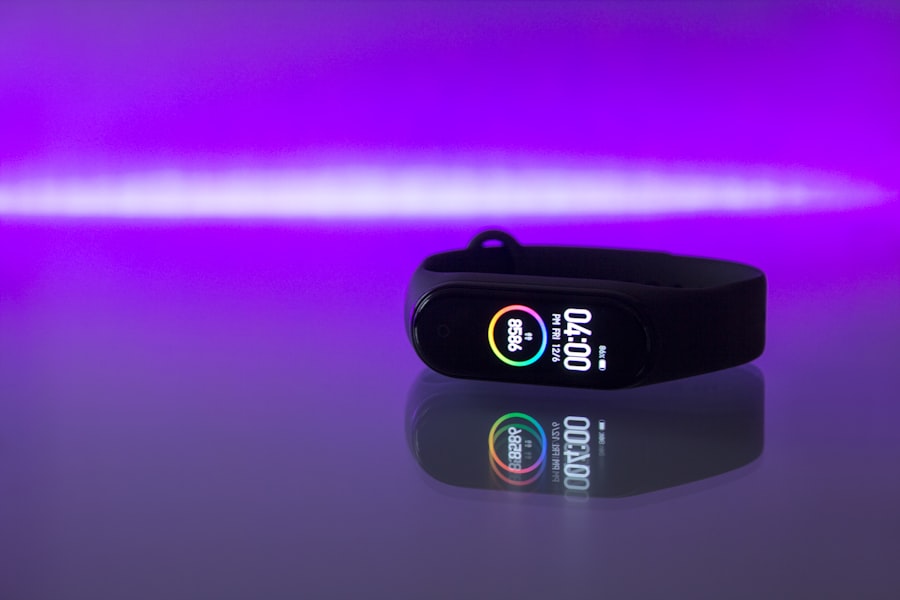
Whoop deliberately has no screen, which some users love (no distractions) and others hate (no quick glance at stats). It offers strain, recovery, and sleep scores with coaching suggestions, but lacks step counting, GPS, and can't track fitness improvement over time. Critics note it's "rubbish if you do anything other than run or walk"—struggling with weight training, swimming, and cycling.
| Whoop 4.0 | Oura Ring Gen 3 | Apple Watch S10 |
|---|---|---|
| 4/10 | 6/10 | 10/10 |
Round 6 Winner: Apple Watch — Full smartwatch functionality with no competition.
Score after Round 6: Whoop 41 | Oura 46 | Apple Watch 45
Final Score
| Product | Total Score | Verdict |
|---|---|---|
| Oura Ring Gen 3 | 46/60 | WINNER |
| Apple Watch Series 10 | 45/60 | Runner-up |
| Whoop 4.0 | 41/60 |
The Winner: Oura Ring Gen 3
Oura wins because it excels at the core job of a recovery tracker: measuring your body's readiness with clinical accuracy. The peer-reviewed HRV accuracy study showed 99% correlation with medical-grade ECG—the highest of any consumer wearable tested. That's not marketing; that's science.
Beyond accuracy, Oura nails the practical stuff. Week-long battery life means you're not thinking about charging. The ring form factor disappears on your finger—unlike a wrist strap you have to wear tight enough to leave imprints. And at $6/month ongoing vs Whoop's $30/month, you're saving $288/year while getting better accuracy.
The Apple Watch came close, losing by just one point. If you want a do-everything smartwatch that also tracks health, it's the better choice. But for dedicated recovery and sleep optimization, Oura's specialized focus pays off.
Whoop isn't bad—its strain scoring is genuinely best-in-class for athletes. But the $30/month subscription for a device you never own, combined with user reports of accuracy issues with deep sleep and non-running workouts, makes it harder to recommend over the alternatives.
Ready to buy the winner? Get Oura Ring Gen 3 on Amazon →
When the Losers Actually Win
Choose Whoop if:
- You're a serious athlete who needs daily strain scoring
- You want recovery coaching tied directly to training load
- You prefer a screenless device with zero distractions
- You don't mind the $30/month subscription for cutting-edge athlete analytics
Check Whoop 4.0 price on Amazon →
Choose Apple Watch if:
- You want one device for everything (notifications, apps, GPS, health)
- You're already in the Apple ecosystem
- You prefer no subscription fees
- You need ECG readings or sleep apnea detection
- You'll use third-party apps like Athlytic to add recovery tracking
Check Apple Watch Series 10 price on Amazon →
Frequently Asked Questions

Can I wear Whoop or Oura while swimming?
Oura Ring has 100m water resistance—the best of all three. Apple Watch handles 50m (fine for pool swimming). Whoop is only rated for 10m and 2 hours max, making it the weakest choice for water sports.
Which is most accurate for heart rate during workouts?
For steady-state cardio like running, all three perform well. For HIIT or weight training with rapid heart rate changes, users report Whoop struggles to detect quick spikes. Apple Watch with its optical sensor handles varied workouts better. Oura isn't designed for real-time workout tracking—it focuses on resting heart rate and HRV.
Do I really need the subscription for Oura or Whoop?
Yes to both, unfortunately. Without Oura's $6/month subscription, you lose access to all insights—the ring becomes basically useless. Whoop is even more aggressive: the device literally won't function without an active subscription. Apple Watch requires no subscription for any core health features.
Can Apple Watch replace Whoop or Oura for recovery tracking?
With third-party apps, mostly yes. Athlytic provides Whoop-style strain, recovery, and readiness scores using Apple Watch data. Training Today offers similar functionality. The main limitation is battery life—you may miss sleep data if you forget to charge before bed.
Which lasts longest before needing replacement?
Oura Ring and Whoop bands are both durable for several years with normal use. Apple Watch typically receives software support for 3-6 years before losing update capabilities. Per Apple support data, Series 4 and 5 have already lost watchOS support. The Oura Ring has no planned obsolescence tied to software updates.
Sources
- Peer-reviewed HRV accuracy study (PMC)
- Garage Gym Reviews: Whoop vs Oura
- Garage Gym Reviews: Whoop vs Apple Watch
- Wareable: Oura Ring Gen 3 Review
- Wareable: Apple Watch Series 10 Review
- Wareable: Why I'm Falling Out of Love with Whoop
- Tom's Guide: Whoop vs Oura Sleep Tracking
- Trustpilot: Whoop Reviews
- Trustpilot: Oura Reviews
- Money Saving Mom: Fitness Tracker Comparison
- WHOOP Official: HRV Accuracy Claims
- Apple Newsroom: Apple Watch Series 10