
Turntable vs Record Player: Which One Actually Sounds Better?
Based on audiophile community discussions, expert reviews from What Hi-Fi? and RTINGS, and thousands of real user experiences
The short answer: A turntable delivers superior sound quality and protects your vinyl collection, but requires additional components. An all-in-one record player offers instant plug-and-play convenience at a lower price—but with significant audio and record-care tradeoffs. For anyone building a serious vinyl collection, a turntable setup wins decisively. Get the Fluance RT82 Turntable on Amazon for $299 →
The Fighters
| Turntable | Record Player | |
|---|---|---|
| Price | $200-500+ on Amazon (component only) | $70-200 on Amazon (complete) |
| Best For | Audiophiles, serious collectors | Casual listeners, beginners |
| Setup Required | Preamp + Amp + Speakers | None (plug and play) |
| Sound Quality | Excellent to exceptional | Adequate to poor |
| Record Safety | Safe (1.5-3g tracking force) | Risky (5-7g on cheap models) |
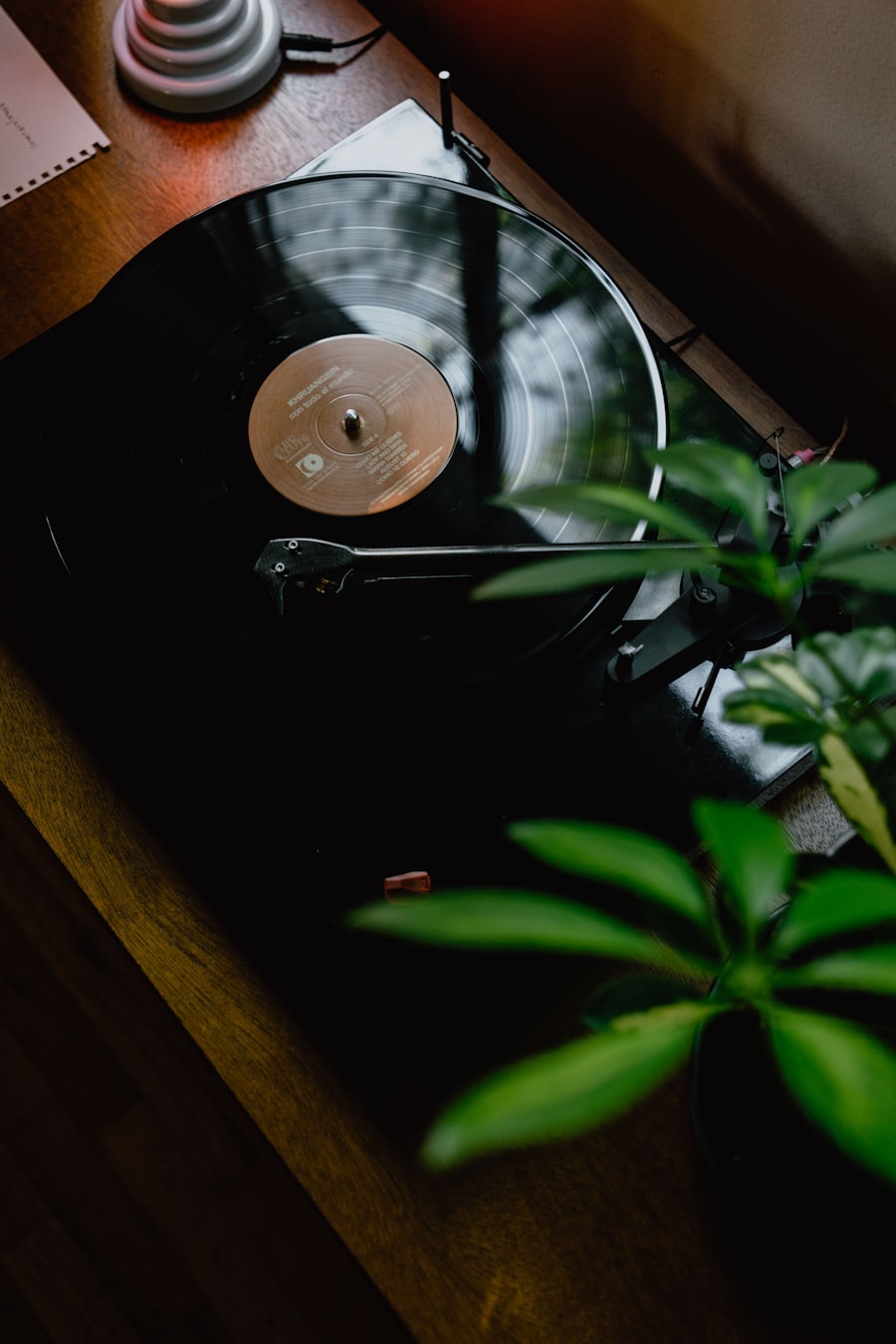
The Death Match: 6 Rounds, 1 Winner
We're scoring each round from 1-10. Higher score wins the round. Let's fight!
Round 1: Sound Quality
This isn't close. Turntables connect to external speakers—quality components designed specifically to reproduce audio accurately. A $200 pair of powered speakers like the Edifier R1280T will absolutely demolish any built-in record player speakers.
All-in-one record players cram tiny speakers into the same enclosure as the platter, creating two major problems. First, small speakers simply cannot reproduce bass or deliver clarity. What Hi-Fi? describes built-in speakers as often sounding "tinny or muddy, lacking the dynamic range and depth that vinyl is capable of delivering." Second, those speakers create vibrations that feed back through the stylus, muddying the sound further.
The sound quality gap between a proper turntable setup and an all-in-one record player is night and day. Vinyl lovers who've experienced both consistently report the upgrade is immediately noticeable.
| Turntable | Record Player |
|---|---|
| 9/10 | 4/10 |
Round 1 Winner: Turntable — External speakers deliver the full dynamic range vinyl can offer.
Score after Round 1: Turntable 9 | Record Player 4
Round 2: Record Protection
Here's where cheap record players earn their "vinyl killer" nickname. According to testing reported by SlashGear, budget models like the Crosley Cruiser apply tracking force around 5.7 grams, while the Victrola Journey hits approximately 6 grams. Audiophile consensus recommends staying between 1.5-3.5 grams.
Why does this matter? When a heavy stylus tracks your record grooves under excessive force, it literally shaves away the groove modulations. Over time, this creates visible "groove wear"—white discoloration you can see and hear as increased distortion. Users on Vinyl Engine forums report seeing damage after as few as a few dozen plays on cheap players.
Quality turntables feature adjustable tracking force and anti-skate mechanisms. These let you dial in the precise pressure needed—enough to track accurately, light enough to protect your investment. A proper turntable setup means your records can last decades. A $70 Crosley means watching your vinyl slowly degrade.
| Turntable | Record Player |
|---|---|
| 10/10 | 3/10 |
Round 2 Winner: Turntable — Adjustable tracking force and anti-skate protect your vinyl collection.
Score after Round 2: Turntable 19 | Record Player 7
Round 3: Setup Complexity
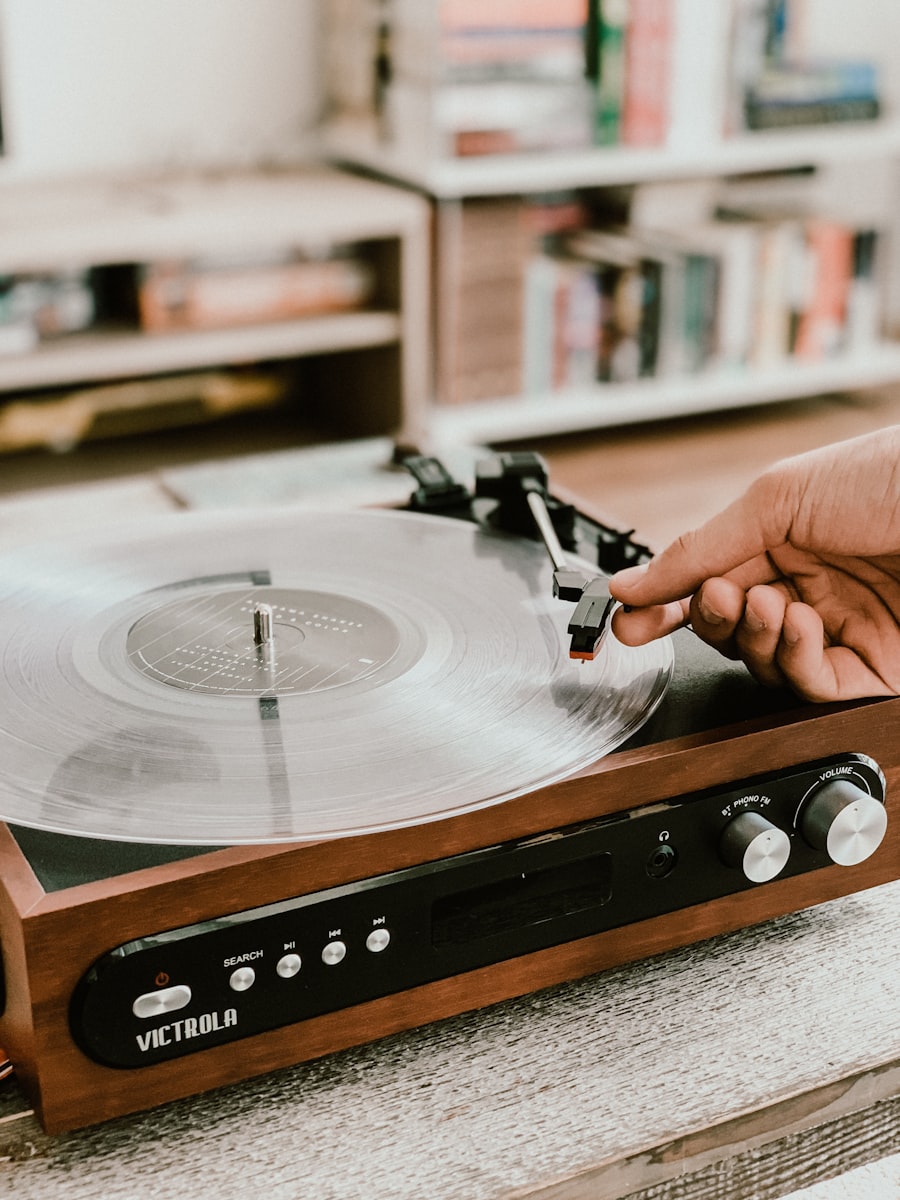
Record players dominate here. Unbox it, plug it in, drop the needle. Done. No decisions about preamps, no matching speakers to amplifiers, no ground wires to connect. The Audio-Technica AT-LP60XBT epitomizes this convenience—Bluetooth streaming when you're not playing vinyl, automatic operation, and completely self-contained audio.
Turntables require homework. According to Turntable Lab's beginner guide, you need four components: turntable, phono preamp (sometimes built-in), amplifier (or powered speakers), and speakers. You'll need to connect RCA cables, possibly ground wires, and configure everything properly.
For complete beginners who just want to hear their new vinyl spinning tonight, a record player eliminates all friction. For anyone willing to spend an afternoon learning, a turntable setup isn't actually difficult—but it's definitely more involved.
| Turntable | Record Player |
|---|---|
| 5/10 | 10/10 |
Round 3 Winner: Record Player — True plug-and-play convenience for immediate listening.
Score after Round 3: Turntable 24 | Record Player 17
Round 4: Upgradability
Turntables treat audio reproduction as a modular system. Don't like your cartridge? Swap it. Ready for better speakers? Upgrade them independently. Want to add a subwoofer? Easy. This modularity means your system can grow with your ears and budget over years.
The Fluance RT82 starts with an Ortofon OM10 cartridge but accepts any standard cartridge upgrade. What Hi-Fi? notes that "spending more on a proper turntable isn't audiophile snobbery—it's basic math. A good table lasts decades, protects your records, scales with better cartridges and phono stages."
Record players are essentially disposable. When you outgrow the built-in speakers (and you will, if you develop any appreciation for audio quality), your only option is replacing the entire unit. That $150 you spent becomes worthless. There's no path forward—just a complete restart.
| Turntable | Record Player |
|---|---|
| 10/10 | 2/10 |
Round 4 Winner: Turntable — Modular design means your setup grows with you.
Score after Round 4: Turntable 34 | Record Player 19
Round 5: Value for Money
This round is complicated because "value" means different things depending on your goals.
For the casual listener who wants vinyl vibes without investment, a $100 Retrolife R609 delivers exactly what it promises—music from your records with zero hassle. That's legitimate value for a specific use case.
But here's the math that audiophiles understand: A $299 Pro-Ject Primary E paired with $150 powered speakers creates a $450 system that sounds dramatically better than any $450 all-in-one. You're getting more audio quality per dollar with separate components. The all-in-one premium goes toward convenience, not sound.
According to Turntable Lab, the $300-400 price range is where turntables start seriously outperforming all-in-ones. Below that, convenience might justify the all-in-one. Above it, separate components win decisively on value.
| Turntable | Record Player |
|---|---|
| 8/10 | 6/10 |
Round 5 Winner: Turntable — More sound quality per dollar at every comparable price point.
Score after Round 5: Turntable 42 | Record Player 25
Round 6: Long-Term Investment
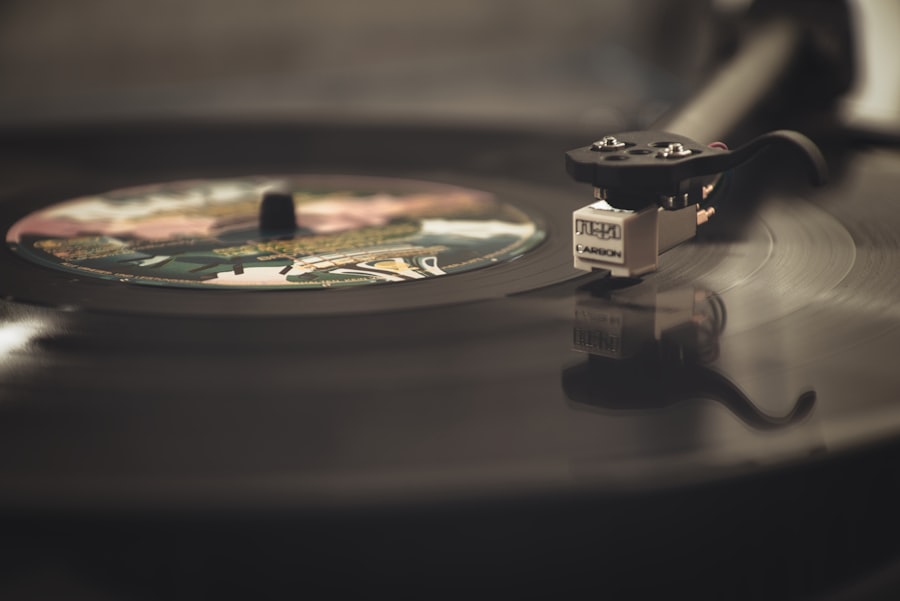
A quality turntable is built to last decades. The Technics SL-1200 has been the industry standard since 1972—many original units are still spinning records professionally today. According to ecoustics, models like the Technics SL-1500C (~$1,000-1,500) represent "a good turntable that lasts decades, doesn't need replacing every 18 months."
Record players? The ceramic cartridges and plastic construction on budget models aren't designed for longevity. The needle can't be replaced on many models. When it wears out—and it will—you buy another player. Repeat every few years.
Factor in the cumulative cost of replacing cheap players versus maintaining one quality turntable, and the economics flip dramatically. A $400 turntable that lasts 20 years costs $20/year. Four $100 record players over the same period costs $100/year—and delivers inferior sound the entire time.
| Turntable | Record Player |
|---|---|
| 10/10 | 4/10 |
Round 6 Winner: Turntable — Built to last decades, not years.
Score after Round 6: Turntable 52 | Record Player 29
Final Score
| Product | Total Score | Verdict |
|---|---|---|
| Turntable | 52/60 | WINNER |
| Record Player | 29/60 |
The Winner: Turntable
The turntable wins because vinyl deserves better than what all-in-one record players can deliver. Sound quality, record protection, upgradability, and long-term value all favor the component approach decisively.
Yes, turntables require more setup and a higher initial investment. But the Reddit vinyl community puts it perfectly: "You don't need a $10K turntable to enjoy vinyl, but you also shouldn't assume the cheapest option is 'good enough' if music actually matters to you."
A starter setup with the Fluance RT82 ($299) plus Edifier R1280T speakers ($130) totals around $430—and delivers audio quality that no all-in-one under $500 can match. More importantly, that setup protects your records while you listen.
Ready to buy the winner? Get the Fluance RT82 on Amazon for $299 →
When the Record Player Actually Wins
The all-in-one record player isn't right for everyone, but it's the better choice if:
- You're testing the vinyl waters — Not sure if you'll stick with records? A $100-150 record player lets you explore without commitment.
- You have zero space — Apartment dwellers without room for multiple components appreciate the all-in-one footprint.
- You need portability — Suitcase-style players like the Retrolife R609 go wherever you do.
- You're buying a gift for a teenager — The simplicity is perfect for someone who just wants to play their first vinyl purchase immediately.
The all-in-one record player might be right for you: Check the Audio-Technica AT-LP60XBT on Amazon →
Frequently Asked Questions
Do cheap record players really damage vinyl?
Yes, but it's gradual. Tracking forces of 5-7 grams (common on sub-$100 players) accelerate groove wear compared to properly adjusted turntables at 1.5-3 grams. You won't see damage after one play, but after dozens of plays, the cumulative effect becomes audible and eventually visible. If you're playing records you care about preserving, avoid budget all-in-ones.
What's the minimum I should spend on a turntable?
Around $200-300 gets you into reliable territory. The Audio-Technica AT-LP120XUSB (~$350) and Fluance RT82 (~$299) are frequently recommended entry points. Below $200, you're generally in all-in-one territory where sound quality and record safety suffer.
Do I need a separate preamp?
Many modern turntables include built-in phono preamps. Check your turntable's specs—if it has a "phono/line" switch, you have a built-in preamp. External preamps only become necessary for high-end setups or vintage turntables.
Can I connect a turntable to Bluetooth speakers?
Yes, with limitations. You'll need a turntable with Bluetooth output (like the Audio-Technica AT-LP60XBT) or add a Bluetooth transmitter. However, Bluetooth introduces compression and latency that audiophiles consider counterproductive to vinyl's analog advantages.
Sources
- What Hi-Fi? - Best Turntables 2026
- Turntable Lab - Beginner's Guide to Turntable Setups
- ZIPDJ - Turntable vs Record Player 2026
- SlashGear - 5 Worst Record Players to Avoid
- Vinyl Engine Forum - Cheap Players and Record Damage
- Louder - Best Record Players for Beginners 2026
- CNN Underscored - Best Record Players 2026
- ecoustics - Best Audiophile Turntables 2025
- Recordbuilds - Why Suitcase Record Players Are Bad
- Fluance - Ultimate Guide to Turntable Setup