
Google Pixel vs iPhone: Which Flagship Actually Delivers in 2026?
Based on hands-on testing, benchmark data, and real user experiences from forums and reviews
The short answer: The Google Pixel 9 Pro wins this battle for most users. It offers a brighter display, superior photography, more advanced AI features, and 7 years of guaranteed updates—all while frequently going on sale for hundreds less than its $999 MSRP. The iPhone 16 Pro crushes benchmarks and excels at video, but unless you're already locked into Apple's ecosystem or shoot professional video, the Pixel delivers more value. Get the Pixel 9 Pro on Amazon for $999 →
The Fighters
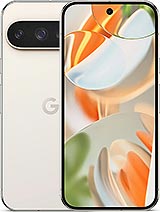
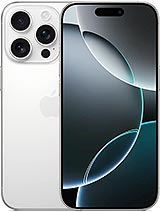
| Google Pixel 9 Pro | iPhone 16 Pro | |
|---|---|---|
| Price | $999 on Amazon | $999 on Amazon |
| Best For | Photography, AI features, Android users | Video creators, Apple ecosystem users |
| Display | 6.3" LTPO OLED, 120Hz, 2700 nits | 6.3" LTPO OLED, 120Hz, 2000 nits |
| Processor | Google Tensor G4, 16GB RAM | Apple A18 Pro, 8GB RAM |
| Main Camera | 50MP f/1.7 | 48MP f/1.8 |
| Software Updates | 7 years guaranteed | 5-7 years (track record) |
The Death Match: 6 Rounds, 1 Winner
We're scoring each round from 1-10. Higher score wins the round. Let's fight!
Round 1: Display Quality
Both phones sport 6.3-inch LTPO OLED displays with 120Hz refresh rates, but the similarities end there. The Pixel 9 Pro's Super Actua display dominates with a peak brightness of 2,700 nits—enough to remain perfectly visible in direct sunlight. Tom's Guide measured 1,938 nits in real-world SDR conditions, significantly better than the iPhone.
The iPhone 16 Pro peaks at around 2,000 nits, with GSMArena measuring 1,764 nits with auto-brightness enabled. It does win for minimum brightness at just 1.1 nits—perfect for late-night reading.
The Pixel also edges ahead on pixel density (495 ppi vs 460 ppi) and offers superior HDR10+ support, though the iPhone counters with Dolby Vision.
| Google Pixel 9 Pro | iPhone 16 Pro |
|---|---|
| 9/10 | 8/10 |
Round 1 Winner: Pixel 9 Pro — 35% brighter peak brightness makes it the clear outdoor champion.
Score after Round 1: Pixel 9 Pro 9 | iPhone 16 Pro 8
Round 2: Camera Performance
This is where the Pixel has historically dominated, and the 9 Pro continues that legacy. Digital Trends' camera comparison found the Pixel 9 Pro excels in low-light scenarios, retaining more detail and managing halation around lights better than the iPhone.
The Pixel's 50MP main sensor with f/1.7 aperture captures more light than the iPhone's 48MP f/1.8 lens. Both feature 5x optical zoom, but the Pixel's 48MP telephoto sensor outresolves the iPhone's 12MP telephoto in most conditions.
One Reddit user summed it up: "Pixels have always had the best photos for me. My daughters both get the newest iPhones and we always use my Pixel for family photos."
However, the iPhone 16 Pro dominates video recording with superior stabilization, better audio capture, and smoother color transitions while zooming. If you're a content creator focused on video, the iPhone wins that specific battle.
| Google Pixel 9 Pro | iPhone 16 Pro |
|---|---|
| 9/10 | 8/10 |
Round 2 Winner: Pixel 9 Pro — Best-in-class still photography with Night Sight and computational prowess.
Score after Round 2: Pixel 9 Pro 18 | iPhone 16 Pro 16
Round 3: Raw Performance
Here's where the iPhone flexes. Apple's A18 Pro chip is a benchmarking beast, scoring 3,558 in Geekbench 6 single-core compared to the Tensor G4's 1,944—an 83% advantage. AnTuTu shows similar dominance: 2,045K vs 1,125K.
But here's the reality check from PhoneArena: "Apple boasted about the A18 chipset... but the truth is most users don't know what to do with this raw power. The Pixel 9 is perfectly capable despite the lower scores."
The Tensor G4's 16GB of RAM (double the iPhone's 8GB) helps it handle AI tasks and multitasking smoothly. Both phones feel snappy in daily use—but if you're rendering 4K video or playing graphically intensive games, the iPhone has headroom the Pixel can't match.
| Google Pixel 9 Pro | iPhone 16 Pro |
|---|---|
| 7/10 | 10/10 |
Round 3 Winner: iPhone 16 Pro — Undisputed benchmark champion with the most powerful mobile chip available.
Score after Round 3: Pixel 9 Pro 25 | iPhone 16 Pro 26
Round 4: AI Features
This round isn't close. Google has been doing on-device AI for years, and it shows. The Pixel 9 Pro comes loaded with Gemini Live for natural spoken conversations, Magic Editor for sophisticated photo manipulation, Circle to Search for visual queries, and Call Screen to filter spam calls.
Apple Intelligence, while promising, is playing catch-up. iPhone 16 Pro offers Clean Up (Apple's Magic Eraser equivalent), Writing Tools, and an improved Siri—but according to Digital Trends, "Google Gemini is a far better generative AI solution with access to a much broader knowledge base."
The privacy trade-off matters though: Apple processes most AI on-device or through Private Cloud Compute, while Google's Gemini relies more heavily on cloud processing with data potentially retained for 18 months.
| Google Pixel 9 Pro | iPhone 16 Pro |
|---|---|
| 9/10 | 6/10 |
Round 4 Winner: Pixel 9 Pro — Years ahead in AI capabilities with genuinely useful daily features.
Score after Round 4: Pixel 9 Pro 34 | iPhone 16 Pro 32
Round 5: Battery & Efficiency
The iPhone 16 Pro's 3,582mAh battery is 31% smaller than the Pixel's 4,700mAh cell, yet NanoReview reports the iPhone delivers 28% longer endurance in composite testing (28:13 vs 22:07 hours). That's the A18 Pro's efficiency advantage in action.
PhoneArena's individual tests tell a more nuanced story: - Browsing: Pixel 9 Pro (17h) beats iPhone 16 Pro (16h 35min) - Video playback: Pixel 9 Pro (10h 11min) beats iPhone 16 Pro (8h 29min) - Gaming: iPhone 16 Pro (9h 39min) beats Pixel 9 Pro (7h 21min)
Standby drain also favors Apple: the iPhone loses just 3-4% over 8 hours versus the Pixel's 6-7%.
Both easily last a full day of normal use. Power users who game heavily should lean iPhone; those who stream lots of video will prefer the Pixel.
| Google Pixel 9 Pro | iPhone 16 Pro |
|---|---|
| 8/10 | 8/10 |
Round 5 Winner: Tie — Different strengths, but both deliver reliable all-day battery life.
Score after Round 5: Pixel 9 Pro 42 | iPhone 16 Pro 40
Round 6: Software Updates & Longevity
Google made a bold promise with the Pixel 9 series: 7 years of OS and security updates. That's longer than any competitor explicitly guarantees. As Computerworld noted, "Google's Pixel devices have taken the crown for longevity."
Apple doesn't commit to a specific number, but their track record speaks volumes—iPhones typically receive 5-7 years of iOS updates. The iPhone 6S from 2015 received updates through 2022.
The Pixel also gets Android updates first, while other Android manufacturers wait months. iPhones maintain strong resale value partly because of Apple's proven long-term support.
Both phones will serve you well for years. The Pixel's explicit 7-year guarantee edges ahead, but Apple's reputation provides similar peace of mind.
| Google Pixel 9 Pro | iPhone 16 Pro |
|---|---|
| 9/10 | 8/10 |
Round 6 Winner: Pixel 9 Pro — The only manufacturer guaranteeing 7 years of updates in writing.
Final Score
| Product | Total Score | Verdict |
|---|---|---|
| Google Pixel 9 Pro | 51/60 | WINNER |
| iPhone 16 Pro | 48/60 |
The Winner: Google Pixel 9 Pro
The Pixel 9 Pro wins this Death Match by delivering where it matters most for everyday smartphone users. Its camera consistently produces better photos, its AI features are genuinely useful rather than marketing promises, its display is brighter, and it's the only phone guaranteeing 7 years of updates.
The iPhone 16 Pro isn't far behind—its A18 Pro chip is legitimately impressive, video recording is best-in-class, and battery efficiency is remarkable. If you're already invested in the Apple ecosystem with a Mac, iPad, AirPods, and Apple Watch, the iPhone remains the obvious choice for seamless integration.
But for users choosing purely on smartphone merits, the Pixel 9 Pro delivers more value. The fact that Google frequently discounts it to $499-599 (versus Apple's rigid $999 pricing) only sweetens the deal.
Ready to buy the winner? Get the Google Pixel 9 Pro on Amazon →
When the Loser Actually Wins
The iPhone 16 Pro isn't right for everyone, but it's the better choice if:
- You're deep in Apple's ecosystem — AirDrop, Handoff, iMessage, and Apple Watch integration are genuinely better with an iPhone
- Video is your priority — Professional-grade stabilization and audio recording make the iPhone 16 Pro the content creator's choice
- Raw performance matters — For mobile gaming, video editing, or processor-intensive apps, nothing beats the A18 Pro
- Privacy is paramount — Apple Intelligence processes most AI locally, while Gemini relies more on cloud processing
- Resale value matters — iPhones consistently command higher resale prices than any Android
The iPhone 16 Pro might be right for you: Check price on Amazon →
Frequently Asked Questions

Is the Pixel 9 Pro camera really better than iPhone 16 Pro?
For still photography, yes. Multiple camera comparisons confirm the Pixel produces better low-light images, more natural colors, and superior computational photography. The iPhone wins for video recording with better stabilization and audio capture.
Which phone has better battery life?
It depends on usage. The iPhone 16 Pro delivers better overall efficiency despite its smaller battery, winning in composite tests and standby drain. The Pixel 9 Pro performs better in video streaming and web browsing. Both easily last a full day.
Should I switch from iPhone to Pixel (or vice versa)?
Switching ecosystems is a significant commitment. If you own a Mac, iPad, Apple Watch, and AirPods, staying with iPhone makes sense for the seamless integration. If you use Windows/Chrome and prioritize photography and AI features, the Pixel offers more. Don't switch for marginal gains—switch if your priorities genuinely align with the other platform's strengths.
Are there any major issues with either phone?
The Pixel 9 Pro has reported display issues and camera bar separation on some units (Google offers free repairs). The iPhone 16 Pro's Camera Control button placement is widely criticized for causing accidental touches and camera shake.
Sources
- Tom's Guide - Pixel 9 Pro Review
- GSMArena - iPhone 16 Pro Review
- NanoReview - Pixel 9 Pro vs iPhone 16 Pro
- Digital Trends - Camera Comparison
- PhoneArena - AI Comparison
- Android Central - Pixel 9 Pro Issues
- Tom's Guide - iPhone 16 Issues
- Vertu - Software Update Longevity
- Tom's Guide - AI Features Comparison
- The Film Alliance - Camera Face-Off