
Oura Ring vs Fitbit: Sleep Obsessive or Fitness Fanatic?
Based on clinical sleep studies, expert reviews, and thousands of real user experiences
The short answer: Oura Ring wins for sleep tracking and passive health monitoring, while Fitbit wins for active fitness tracking. If sleep quality and recovery insights drive your health decisions, Oura Ring's 10% better sleep accuracy makes it the clear choice. If you need real-time workout feedback and built-in GPS, Fitbit delivers more value at a lower price. Get Oura Ring 4 on Amazon for $349 →
The Fighters
| Oura Ring 4 | Fitbit Charge 6 | |
|---|---|---|
| Price | $349 on Amazon | $159 on Amazon |
| Best For | Sleep tracking & recovery | Active fitness tracking |
| Form Factor | Smart ring (finger) | Fitness band (wrist) |
| Battery Life | 6-8 days | 7 days |
| GPS | Phone required | Built-in |
| Subscription | $5.99/mo (required) | Free (Premium optional) |
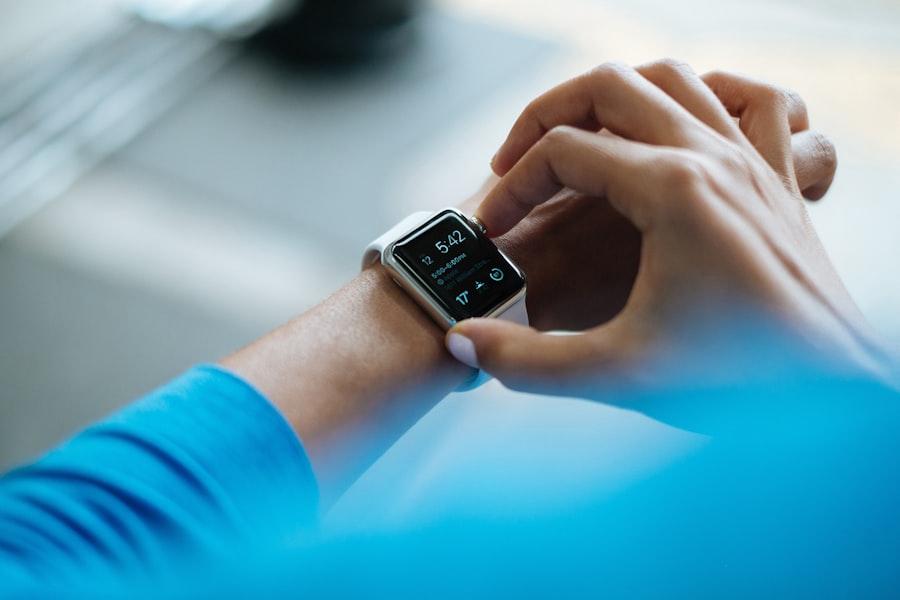
The Death Match: 6 Rounds, 1 Winner
We're scoring each round from 1-10. Higher score wins the round. Let's fight!
Round 1: Sleep Tracking Accuracy
This is where the science gets interesting. A peer-reviewed study from Brigham and Women's Hospital compared both devices against polysomnography (the gold standard for sleep measurement). The results weren't even close.
Oura Ring achieved 76-79.5% sensitivity for sleep stage detection, while Fitbit managed only 61.7-78% sensitivity. More importantly, Oura was 10% more accurate than Fitbit in four-stage sleep classification. For deep sleep detection specifically—the most restorative sleep phase—Oura hit 79.5% accuracy versus Fitbit's 61.7%.
Fitbit also systematically overestimated light sleep by 18 minutes and underestimated deep sleep by 15 minutes per night. Oura's measurements showed no significant difference from the lab equipment.
| Oura Ring 4 | Fitbit Charge 6 |
|---|---|
| 9/10 | 7/10 |
Round 1 Winner: Oura Ring — Clinical validation proves it's the most accurate consumer sleep tracker available.
Score after Round 1: Oura Ring 9 | Fitbit 7
Round 2: Activity & Workout Tracking
Here's where Fitbit flexes. The Charge 6 includes built-in GPS, Active Zone Minutes, VO2 Max estimates, and real-time heart rate display during workouts. You can even broadcast your heart rate to compatible gym equipment.
Oura? Activity tracking is described by reviewers as "hit and miss" compared to Fitbit. It can't detect elevation changes, struggles with cycling auto-detection, and provides no real-time feedback because there's no screen. You're completely dependent on your phone.
Fitbit's heart rate sensor is also 60% more accurate during vigorous activities like HIIT, according to Fitbit's own testing. For anyone serious about workout tracking, this round isn't close.
| Oura Ring 4 | Fitbit Charge 6 |
|---|---|
| 5/10 | 9/10 |
Round 2 Winner: Fitbit — GPS, real-time feedback, and superior workout detection make it the fitness tracking champion.
Score after Round 2: Oura Ring 14 | Fitbit 16
Round 3: Design & Comfort
This comes down to personal preference, but there are objective differences. Oura Ring 4 weighs about 5 grams and sits on your finger—many users forget they're wearing it. The Gen 4 redesign removed the bumpy interior sensors, making it significantly more comfortable than previous versions.
However, some users report it still feels "like wearing an infinity stone" and takes minutes of twisting to remove. It's also prone to scratches during weightlifting.
Fitbit Charge 6 is a traditional wrist band. It's more noticeable but also more familiar. You get a 1.04" AMOLED screen for glanceable data. The tradeoff is that wrist-worn devices can disrupt sleep tracking if you sleep on your hands.
For 24/7 passive monitoring—especially sleep—a ring is fundamentally less intrusive.
| Oura Ring 4 | Fitbit Charge 6 |
|---|---|
| 8/10 | 7/10 |
Round 3 Winner: Oura Ring — The ring form factor is more discreet and less disruptive for all-day, all-night wear.
Score after Round 3: Oura Ring 22 | Fitbit 23
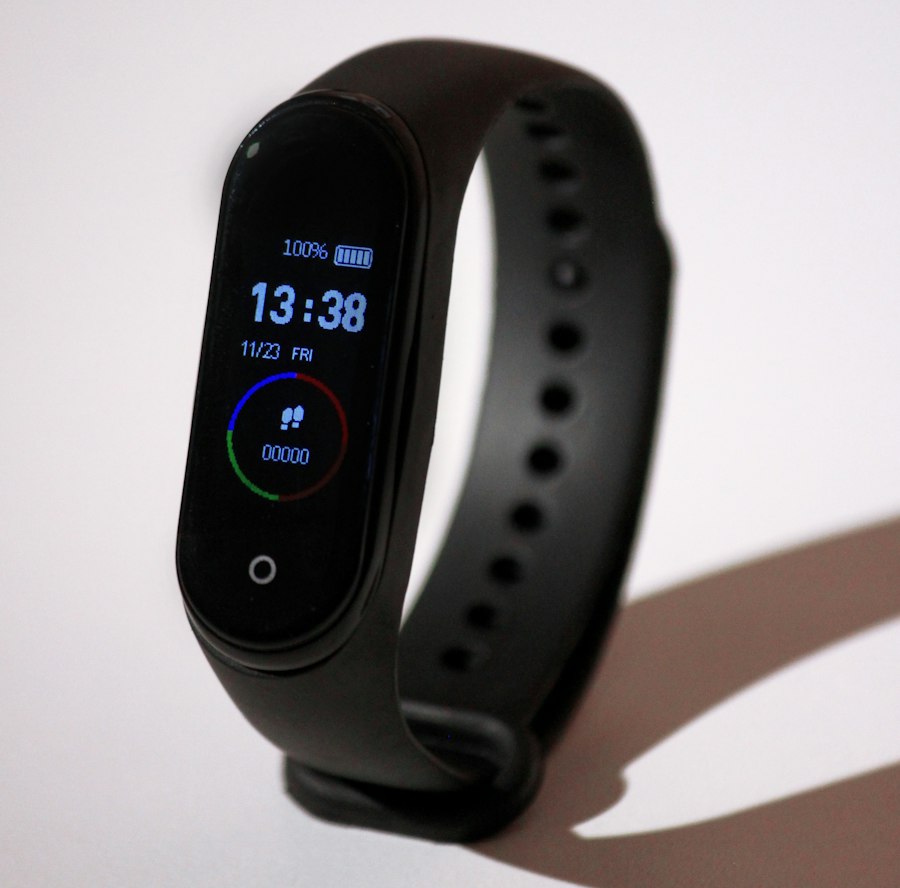
Round 4: Features & Ecosystem
Oura Ring offers 600+ app integrations including Clue, Natural Cycles, Headspace, and Strava. It excels at women's health tracking with cycle, fertility, and pregnancy insights. The "Readiness" score helps you understand if you should push hard or recover. After three months, users report menstrual cycle predictions become "scarily accurate."
Fitbit's ecosystem is more limited but includes some features Oura lacks: ECG for irregular heart rhythm detection (Sense 2), stress tracking via EDA sensors, and YouTube Music controls. The Fitbit app has been criticized since the Google acquisition as "less intuitive and more cluttered", with a focus on pushing Premium subscriptions.
Both have their strengths, but Oura's deeper integrations and superior women's health features give it the edge.
| Oura Ring 4 | Fitbit Charge 6 |
|---|---|
| 8/10 | 7/10 |
Round 4 Winner: Oura Ring — More integrations, better women's health tracking, and a more focused health platform.
Score after Round 4: Oura Ring 30 | Fitbit 30
Round 5: Value for Money
Let's do the math. Oura Ring 4 costs $349 plus a mandatory $5.99/month subscription. Year one total: $421. Three-year cost: $565.
Fitbit Charge 6 costs $159 with no required subscription. Premium is optional at $9.99/month. Year one total: $159-$279. Three-year cost: $159-$519. You can even start with the Inspire 3 at just $99.
Fitbit offers more free features out of the box. Oura heavily restricts what you can see without paying monthly—you're "highly limited" to just Readiness and Sleep scores according to Wareable.
At nearly half the price with no mandatory subscription, Fitbit wins the value argument decisively.
| Oura Ring 4 | Fitbit Charge 6 |
|---|---|
| 6/10 | 9/10 |
Round 5 Winner: Fitbit — Half the price, no mandatory subscription, more free features.
Score after Round 5: Oura Ring 36 | Fitbit 39
Round 6: Reliability & Customer Satisfaction
Both have issues. Fitbit users report devices failing within 12-18 months, syncing problems, and customer service that's become "appalling" since the Google acquisition. Fitbit has a 1.2/5 rating on Sitejabber. A major outage in July 2025 left users unable to sync data.
Oura users report battery degradation (some units lasting only 2 days after 9 months), overheating concerns that prompted an official investigation, and sleep tracking that's "routinely off by 20-30 minutes" according to some users. However, Oura's customer support receives praise for being "quick to respond and helpful".
Neither wins a reliability award, but Oura's better customer service and fewer app issues give it a slight edge.
| Oura Ring 4 | Fitbit Charge 6 |
|---|---|
| 6/10 | 5/10 |
Round 6 Winner: Oura Ring — Better customer support and more stable app experience.

Final Score
| Product | Total Score | Verdict |
|---|---|---|
| Oura Ring 4 | 42/60 | WINNER |
| Fitbit Charge 6 | 39/60 |
The Winner: Oura Ring 4
Oura Ring wins this death match, but not by knockout. Its clinical-grade sleep tracking accuracy—validated at 10% better than Fitbit in peer-reviewed research—makes it the superior choice for anyone who prioritizes understanding their sleep and recovery patterns.
The ring form factor means you can wear it 24/7 without thinking about it. The 600+ app integrations create a comprehensive health ecosystem. And for women's health tracking, nothing else comes close.
But Oura's victory comes with asterisks. The mandatory subscription adds ongoing costs. There's no screen for real-time feedback. And if fitness tracking matters more to you than sleep tracking, Fitbit objectively performs better.
This is ultimately about what drives your health decisions: If it's sleep and recovery, Oura wins. If it's workouts and activity, Fitbit wins.
Ready to buy the winner? Get Oura Ring 4 on Amazon →
When the Loser Actually Wins
Fitbit Charge 6 isn't right for everyone, but it's the better choice if:
- You prioritize active fitness tracking over passive health monitoring
- You need GPS without carrying your phone on runs
- Budget matters—Fitbit costs half as much with no mandatory subscription
- You want a screen for real-time workout feedback and notifications
- You're new to fitness tracking and want to start with proven, affordable technology
Fitbit Charge 6 might be right for you: Check price on Amazon →
Frequently Asked Questions
Is Oura Ring really more accurate than Fitbit for sleep?
Yes, according to peer-reviewed research. A study published in Sensors journal found Oura Ring was 10% more accurate than Fitbit in four-stage sleep classification when compared against polysomnography. Oura achieved 79.5% sensitivity for deep sleep detection versus Fitbit's 61.7%.
Can I use Fitbit without paying for Premium?
Yes. Unlike Oura, which requires a $5.99/month subscription for most features, Fitbit provides comprehensive tracking—steps, heart rate, sleep stages, Active Zone Minutes, and workout tracking—completely free. Premium ($9.99/month) adds deeper insights and guided programs but isn't required.
Which is better for working out?
Fitbit Charge 6. It has built-in GPS, real-time heart rate display, and can broadcast to gym equipment. Oura Ring lacks a screen for real-time feedback and requires your phone for GPS tracking. Fitbit is also 60% more accurate for heart rate during vigorous activities.
How long do the batteries last?
Both last about a week. Oura Ring 4 gets 6-8 days per charge (though some users report degradation to 2-3 days after several months). Fitbit Charge 6 lasts about 7 days with typical use. Oura charges in 20-80 minutes; Fitbit takes about 2 hours.
Sources
- Brigham and Women's Hospital Sleep Study - PMC/Sensors Journal
- Tom's Guide - Sleep Tracking Accuracy Study
- Wareable - Oura Ring 4 vs Fitbit Comparison
- Sleep Foundation - Oura Ring Review
- Live Science - Oura Ring 4 Review
- Fitbit Official - Charge 6 Specifications
- Trustpilot - Oura Reviews
- Trustpilot - Fitbit Reviews
- Android Authority - Oura Ring vs Fitbit
- TechRadar - Fitbit Outage July 2025