
iPhone vs Android: Which Mobile Platform Actually Wins in 2026?
Based on security research from NordVPN and Kaspersky, resale data from ecoATM, and thousands of real user experiences
The short answer: iPhone wins for most mainstream users. It holds 40% more resale value after one year (69% vs 43%), offers better security for average users, delivers a seamless ecosystem experience, and receives 5-7 years of software updates. Android counters with superior customization, more hardware choices, and better value at lower price points. If you value simplicity, security, and long-term value, get an iPhone. If you want flexibility and customization, Android is your platform. Get the iPhone 16 on Amazon →
The Fighters
| iPhone | Android | |
|---|---|---|
| Price Range | $429-$1,199 on Amazon | $100-$1,800 on Amazon |
| Best For | Ecosystem users, security-focused | Customization lovers, budget-conscious |
| US Market Share | 58% | 42% |
| Update Support | 5-7 years | 2-7 years (varies widely) |
| Resale Value (1 year) | 69% retained | 43% retained |
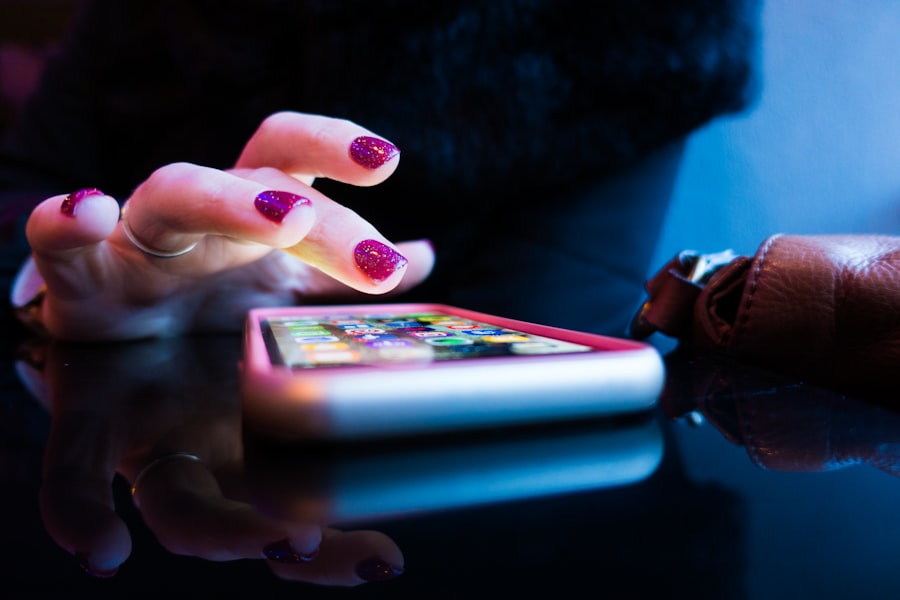
The Death Match: 6 Rounds, 1 Winner
We're scoring each round from 1-10. Higher score wins the round. Let's fight!
Round 1: Security & Privacy
This is where iPhone has a measurable advantage. Astra's security analysis rates iOS at 4.8/5 overall compared to Android's 3.0/5, noting that Apple's "obsessive app checking and closed system provide better malware protection."
The numbers are stark: Over 98% of mobile banking attacks target Android devices. There are 266,400 global web searches related to Android hacking compared to just 19,200 for iOS.
Apple's App Tracking Transparency gives users control over data shared with third parties. iMessage and FaceTime use end-to-end encryption by default. Lockdown Mode provides extreme protection for high-risk users.
Android isn't insecure — Google Play Protect uses AI to detect malware, and Samsung Knox offers government-grade encryption. But iOS's closed ecosystem simply creates fewer attack surfaces.
| iPhone | Android |
|---|---|
| 9/10 | 6/10 |
Round 1 Winner: iPhone — Closed ecosystem and universal updates create a more secure environment for average users.
Score after Round 1: iPhone 9 | Android 6
Round 2: Customization & Flexibility
Here's where Android dominates. Android allows users to customize almost every aspect of their device — from home screen layouts to system-wide themes with Material You, which dynamically adjusts colors based on your wallpaper.
You can install custom launchers like Nova or Microsoft Launcher. You can use third-party icon packs. You can set any app as your default for calls, messaging, or browsing. Power users can even install custom ROMs or root their devices for deeper control.
iOS has been catching up. iOS 18 finally lets users place icons anywhere on the home screen (Android had this from day one). But iPhone users are still stuck with Apple's default launcher. Third-party launchers and icon packs remain impossible.
As Android Authority notes: "iOS is starting to feel like one of the favorite Android skins. While iOS has been catching up, Android still offers more extensive customization options overall."
| iPhone | Android |
|---|---|
| 5/10 | 9/10 |
Round 2 Winner: Android — If you want to make your phone truly yours, there's no contest.
Score after Round 2: iPhone 14 | Android 15
Round 3: Ecosystem Integration
Apple's ecosystem is legendary. Apple doesn't sell isolated products — it builds a system where hardware, software, and services evolve together.
Photos taken on your iPhone appear automatically on your iPad and Mac. Messages sync everywhere. Calls move from phone to laptop. Clipboard content copies on one device and pastes on another. AirDrop just works. Features like Handoff and Continuity remain unmatched.
Android offers ecosystem benefits too — especially if you're all-in on Google services. Gmail, Google Photos, Google Drive, and Google Assistant work seamlessly across devices. Samsung's Galaxy ecosystem offers similar integration with Galaxy Watch and Galaxy Buds.
But there's a key difference: iPhone's ecosystem requires no setup. Things just work out of the box. Android's cross-brand compatibility is more flexible but often requires more configuration.
| iPhone | Android |
|---|---|
| 9/10 | 6/10 |
Round 3 Winner: iPhone — "Seamless remote control for your digital life without requiring setup."
Score after Round 3: iPhone 23 | Android 21

Round 4: Resale Value & Longevity
The data here is unambiguous. According to ecoATM's research, after 12 months of ownership, an iPhone retains about 69% of its original price while an Android keeps only 43%.
Apple's own whitepaper claims iPhone retains at least 40% more value compared to Android, with the difference increasing for older models.
Why? Software support. A 2-year-old iPhone still has 3-4 years of updates ahead of it. A 2-year-old mid-range Android phone is often at the end of its support life. Buyers won't pay decent money for a phone that's obsolete.
Samsung and Google now offer 7 years of updates for flagships, which is changing the equation for premium Android phones. But budget and mid-range Android devices still only get 2-3 years — rendering them obsolete faster.
| iPhone | Android |
|---|---|
| 9/10 | 5/10 |
Round 4 Winner: iPhone — Better resale value is real money in your pocket when you upgrade.
Score after Round 4: iPhone 32 | Android 26
Round 5: Hardware & Price Options
Android crushes this round with sheer variety. Want a foldable phone? Samsung, Google, and OnePlus have options. Want a massive battery? Several Android phones pack 5,000-6,000mAh cells. Want a phone for $150 that actually works? Android has dozens.
The price range tells the story: iPhones range from $429 (SE) to $1,199 (Pro Max). Android phones range from $100 to $1,800+ (premium foldables). There's an Android phone for every budget and preference.
Android also leads in charging speed. Many Android flagships hit 50% charge in 15-20 minutes. iPhones take 30+ minutes for the same.
And hardware innovation happens on Android first. Foldables, under-display cameras, 200MP sensors, satellite connectivity — Android manufacturers experiment while Apple waits for technology to mature.
| iPhone | Android |
|---|---|
| 5/10 | 9/10 |
Round 5 Winner: Android — More choices at every price point, plus faster innovation.
Score after Round 5: iPhone 37 | Android 35
Round 6: AI & Smart Features
In 2026, both platforms have powerful AI. But they take different approaches.
Android phones can draft entire emails, edit photos using generative fill in real-time, and live-translate calls with zero latency. Samsung's Galaxy AI and Google's Gemini offer broader, more experimental features.
Apple Intelligence focuses on privacy with on-device processing. It's more limited in scope but doesn't send your data to the cloud. For privacy-conscious users, that matters.
The verdict from experts: "If you want the smartest assistant, Android wins. If you want the most private one, stick with iOS."
For most users, both platforms offer enough AI capability. But Android pushes harder on cutting-edge features while Apple prioritizes not compromising your data.
| iPhone | Android |
|---|---|
| 7/10 | 8/10 |
Round 6 Winner: Android — More features, faster innovation, but at the cost of some privacy.
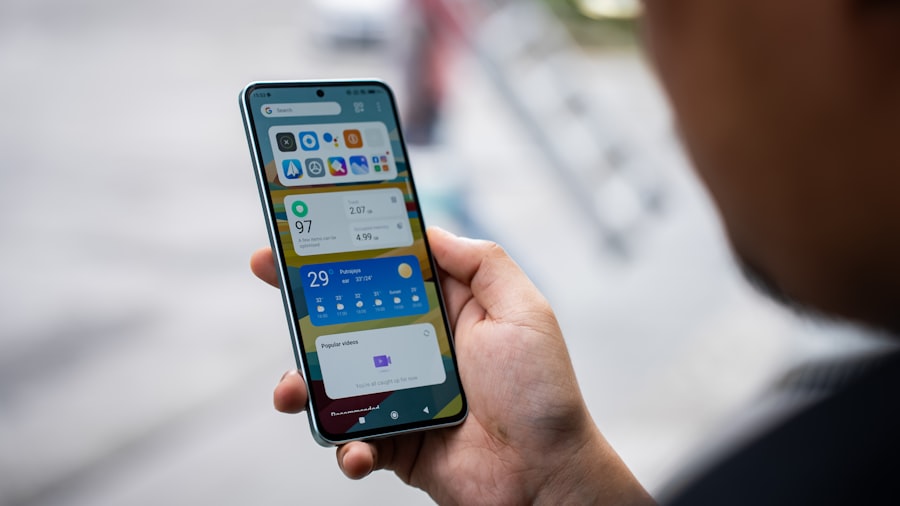
Final Score
| Platform | Total Score | Verdict |
|---|---|---|
| iPhone | 44/60 | WINNER |
| Android | 43/60 |
The Winner: iPhone
iPhone wins this Death Match by the narrowest of margins — 44 to 43. It takes the crown because of three decisive advantages: security, ecosystem integration, and resale value.
For the average user who wants a phone that works reliably, stays secure, and retains value when they upgrade, iPhone delivers a more polished, predictable experience. The ecosystem integration alone — where your phone, tablet, laptop, and watch all communicate seamlessly — is worth the premium for anyone with multiple Apple devices.
But this was close for a reason. Android has caught up dramatically in 2026. Seven-year update commitments from Samsung and Google are closing the longevity gap. AI features are more innovative on Android. Customization remains Android's domain. And hardware variety gives buyers options iPhone simply can't match.
Ready to buy the winner? Get an iPhone on Amazon →
When the Loser Actually Wins
Android isn't the right choice for everyone, but it's the better option if:
- You love customizing your phone — Home screens, themes, launchers, icon packs — Android lets you make it yours
- Budget is a priority — Great Android phones exist at $200-$400 that have no iPhone equivalent
- You want a foldable — Samsung Fold, Google Pixel Fold, and others offer form factors iPhone doesn't
- You're deep in the Google ecosystem — Gmail, Google Photos, Google Drive users will feel at home
- Charging speed matters — Many Android phones charge twice as fast as iPhones
- You want cutting-edge AI — Android gets experimental features first
An Android phone might be right for you: Check Android phones on Amazon →
Frequently Asked Questions

Is iPhone really more secure than Android?
For average users, yes. iOS's closed ecosystem, universal updates, and App Store review process create fewer vulnerabilities. But security ultimately depends on user behavior. An Android user who installs only from Google Play and keeps their phone updated is reasonably secure. An iPhone user who clicks phishing links is not.
How long do iPhones vs Android phones last?
iPhones typically receive 5-7 years of software updates. Flagship Android phones from Samsung and Google now receive 7 years. But budget and mid-range Android phones often only receive 2-3 years, making them obsolete faster.
Can I switch from Android to iPhone easily?
Yes. Apple's "Move to iOS" app transfers contacts, photos, videos, bookmarks, and even WhatsApp history. The main friction point is if you're in group chats with other iPhone users — you'll finally get those blue bubbles.
Why do iPhones hold value better?
Longer software support, stronger brand perception, and more consistent hardware quality. A 2-year-old iPhone still has years of updates ahead; a 2-year-old budget Android is often end-of-life.
Sources
- DigiExe - iPhone vs Android Statistics 2026
- Astra - iOS vs Android Security
- NordVPN - iOS vs Android Security
- Kaspersky - Android vs iPhone Security
- ecoATM - iPhone vs Android Resale Value
- AppleMagazine - iOS vs Android Ecosystem
- Android Authority - iOS Customization vs Android
- Gadgital - Android vs iOS 2026
- Tom's Guide - iPhone vs Android