
Instant Pot vs Crock-Pot: Which Slow Cooker Actually Wins?
Based on taste tests from America's Test Kitchen, Consumer Reports testing, and thousands of real user reviews
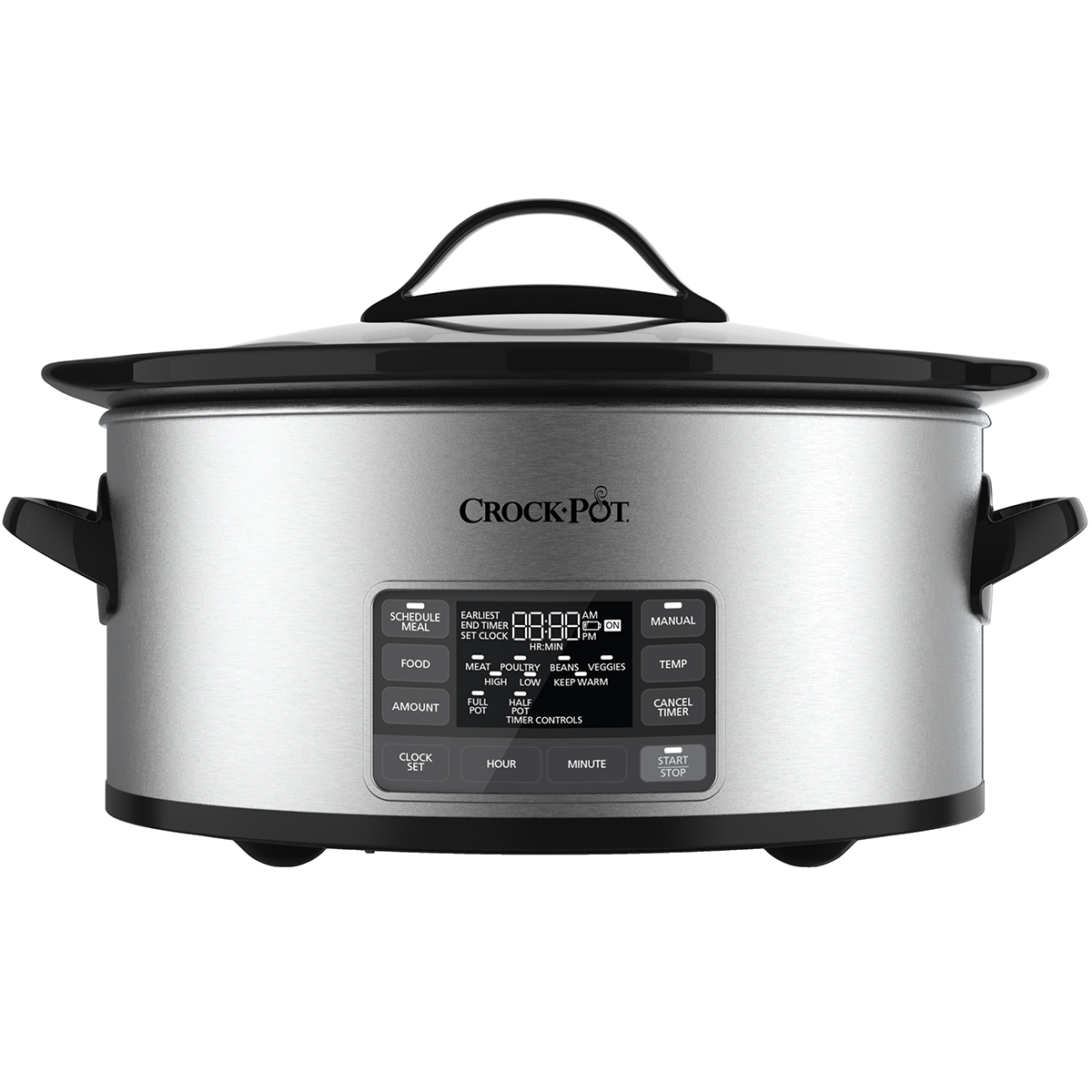
The short answer: The Crock-Pot wins for most home cooks. In head-to-head taste tests, Crock-Pot produced deeper flavors and more tender meat. It's also 3-4x cheaper ($20-50 vs $90-160), requires zero learning curve, and delivers true "set it and forget it" cooking. The Instant Pot's multi-functionality is appealing, but its slow cooker mode underperforms compared to a dedicated Crock-Pot, and reliability complaints are concerning. Get the Crock-Pot 6-Quart on Amazon for ~$35 →
The Fighters
| Instant Pot | Crock-Pot | |
|---|---|---|
| Price | $89-$160 on Amazon | $20-$50 on Amazon |
| Best For | Busy cooks who need speed | Flavor-focused home cooking |
| Cooking Time | 30 min - 2 hours | 4-10 hours |
| Functions | 7-in-1 multi-cooker | Slow cooking only |
| Learning Curve | Moderate | None |

The Death Match: 6 Rounds, 1 Winner
We're scoring each round from 1-10. Higher score wins the round. Let's fight!
Round 1: Flavor Development
This is where the Crock-Pot absolutely dominates. In a direct pot roast taste test, the Crock-Pot won decisively with "deeper flavor and moist texture." The science backs this up: slow cooking over 6-10 hours allows flavors to meld and develop in ways that pressure cooking simply cannot replicate.
The Instant Pot's fast cooking seals in some flavor volatiles, but users consistently report that Crock-Pot meals taste richer. As one cooking forum user put it: "I like the house smell and ease of use with slow cooker" — that aroma filling your home is flavor you're tasting later.
| Instant Pot | Crock-Pot |
|---|---|
| 6/10 | 9/10 |
Round 1 Winner: Crock-Pot — Slow and low wins the flavor war.
Score after Round 1: Instant Pot 6 | Crock-Pot 9
Round 2: Meat Tenderness
For tough cuts like pot roast, brisket, and pork shoulder, slow cooking makes meat more tender. The prolonged gentle heat gradually breaks down collagen into gelatin, creating that fall-apart texture we crave.
America's Test Kitchen found that Instant Pot could not successfully slow-cook dense recipes — "beef was still chewy after 14 hours" in slow cooker mode. That's a damning indictment of the Instant Pot's secondary function.
However, the Instant Pot does excel with lean proteins. Chicken breasts stay moist with pressure cooking since they don't need as much time and the sealed environment prevents drying out.
| Instant Pot | Crock-Pot |
|---|---|
| 6/10 | 8/10 |
Round 2 Winner: Crock-Pot — For the tough cuts most people buy, slow cooking wins.
Score after Round 2: Instant Pot 12 | Crock-Pot 17
Round 3: Speed & Convenience
Here's where the Instant Pot earns its reputation. What usually takes three hours in the oven might need only an hour in a pressure cooker. Baby back ribs in 54 minutes instead of 2+ hours? Corned beef and pot roast in under 2 hours? That's genuinely transformative for busy weeknights.
The Crock-Pot requires 6-10 hours for most recipes. It's not inconvenient per se — you set it in the morning and dinner's ready when you get home — but it requires planning ahead. Forgot to start dinner before work? You're ordering takeout.
| Instant Pot | Crock-Pot |
|---|---|
| 9/10 | 5/10 |
Round 3 Winner: Instant Pot — When you need dinner fast, pressure cooking delivers.
Score after Round 3: Instant Pot 21 | Crock-Pot 22
Round 4: Ease of Use
The Crock-Pot wins the simplicity battle decisively. Put ingredients in, select low or high, walk away. There's literally nothing to learn. Your grandmother could use it without reading a manual.
The Instant Pot has a genuine learning curve. You need to understand natural vs. quick release, minimum liquid requirements, and how to avoid the dreaded "BURN" message. Vegetables and seafood can become mushy if you're not careful with timing.
The Instant Pot's sauté function isn't hot enough — taking 3x as long as a pan on the stove. So that "7-in-1" convenience? Several of those functions are mediocre at best.
| Instant Pot | Crock-Pot |
|---|---|
| 5/10 | 9/10 |
Round 4 Winner: Crock-Pot — True set-it-and-forget-it cooking.
Score after Round 4: Instant Pot 26 | Crock-Pot 31
Round 5: Value for Money
This round isn't even close. A quality Crock-Pot costs $20-50. A comparable Instant Pot runs $90-160+. That's a 3-4x price difference for an appliance that, for its primary cooking function, performs worse.
Good Housekeeping confirms you can get a high-quality Crock-Pot for $15-35. Meanwhile, the Instant Pot Duo 6-Quart starts at $89, and the Pro models push $200+.
Yes, the Instant Pot replaces multiple appliances theoretically. But if its slow cooker mode is inferior to a $30 Crock-Pot, and its sauté function is worse than a $15 pan, what are you really saving?
| Instant Pot | Crock-Pot |
|---|---|
| 5/10 | 9/10 |
Round 5 Winner: Crock-Pot — Four times cheaper and cooks better.
Score after Round 5: Instant Pot 31 | Crock-Pot 40
Round 6: Reliability & Durability
This is where the Instant Pot's problems become concerning. Trustpilot shows a 2.5-star rating based on customer reviews. Users report error codes rendering appliances unusable shortly after purchase, non-stick coating deteriorating quickly, and slow response times from customer service.
There are also safety concerns with pressure cooker explosions from faulty seals or venting, with lawsuits filed as recently as November 2025.
The Crock-Pot isn't perfect — some users report temperature control issues where units run too hot. But with a simpler mechanism (just a heating element and ceramic pot), there's simply less that can go wrong. And ceramic crocks are oven-safe up to 400°F, adding versatility.
| Instant Pot | Crock-Pot |
|---|---|
| 5/10 | 7/10 |
Round 6 Winner: Crock-Pot — Simpler design means fewer failure points.

Final Score
| Product | Total Score | Verdict |
|---|---|---|
| Crock-Pot | 49/60 | WINNER |
| Instant Pot | 36/60 |
The Winner: Crock-Pot
The Crock-Pot wins decisively, and it's not even close. For the primary job of making tender, flavorful slow-cooked meals, the Crock-Pot outperforms the Instant Pot's slow cooker mode while costing 75% less.
The numbers tell the story: better flavor in taste tests, superior meat tenderness for tough cuts, true set-it-and-forget-it simplicity, and dramatically better value. The Instant Pot's speed advantage is real, but most of its other "7-in-1" functions are mediocre compared to dedicated appliances.
The reliability concerns are the final nail. A $150 appliance that earns 2.5 stars on Trustpilot with reports of error codes and rapid deterioration? Compare that to a $30 Crock-Pot with a simple ceramic insert that lasts decades.
For most home cooks who want delicious, hands-off meals, the Crock-Pot is the clear winner.
Ready to buy the winner? Get the Crock-Pot 6-Quart on Amazon →
When the Loser Actually Wins
The Instant Pot isn't right for everyone, but it's the better choice if:
- You're always short on time — Getting dinner from frozen to table in under an hour is genuinely transformative for busy households
- You have very limited counter space — One Instant Pot can theoretically replace a slow cooker, rice cooker, yogurt maker, and steamer
- You cook lots of lean proteins — Chicken breast and fish actually do better with quick pressure cooking than long slow cooking
- You're a meal prepper — Batch cooking dried beans, grains, and stocks is dramatically faster under pressure
The Instant Pot might be right for you: Check price on Amazon →
Frequently Asked Questions
Can I use my Instant Pot as a slow cooker?
Yes, but it won't perform as well as a dedicated Crock-Pot. America's Test Kitchen found the Instant Pot "could not successfully slow-cook dense recipes" — beef was still chewy after 14 hours. The heating element design and pot material are optimized for pressure cooking, not slow cooking.
Which uses more energy?
The Instant Pot is more energy efficient since it cooks for 30-60 minutes instead of 6-10 hours. However, Crock-Pots use very low wattage (around 200-300W on low), so the actual difference in your electricity bill is minimal — maybe $1-2 per month if you cook daily.
Do Crock-Pots run too hot?
Some models do have temperature control issues where even the "low" setting runs hotter than expected. Look for programmable models with temperature probes, or check recent reviews before buying. Higher-end models from brands like All-Clad or KitchenAid tend to have better temperature regulation.
Is the Instant Pot worth the extra money?
Only if you'll actually use the pressure cooking function regularly. The slow cooker, sauté, and other functions are mediocre compared to dedicated appliances. If you mainly want slow-cooked meals, you're paying 4x more for an inferior slow cooking experience.
Sources
- America's Test Kitchen - Slow Cooker vs Instant Pot
- Consumer Reports - Instant Pot vs Crock-Pot Express
- Good Housekeeping - Instant Pot vs Crock-Pot
- Tried Tested and True - Pot Roast Taste Test
- Foodess - Slow Cooker vs Pressure Cooker
- Farmison - Pressure Cooker vs Slow Cooker
- Trustpilot - Instant Pot Reviews
- PissedConsumer - Instant Pot Reviews
- Wayfair - Slow Cooker vs Pressure Cooker Guide
- MasterClass - Pressure Cooker vs Slow Cooker