
Apple HomePod vs Amazon Echo: Which Smart Speaker Actually Delivers?
Based on expert measurements, user reviews, and real-world testing from RTINGS, What Hi-Fi?, and thousands of user experiences
The short answer: The Apple HomePod wins for audiophiles who want the best-sounding smart speaker money can buy, but the Amazon Echo wins for everyone else. HomePod's $299 price tag delivers superior audio quality, but Alexa's smarter assistant, broader compatibility, and $100 price point make the Echo the better all-around smart speaker for most homes. Get the Amazon Echo on Amazon for ~$100 →
The Fighters
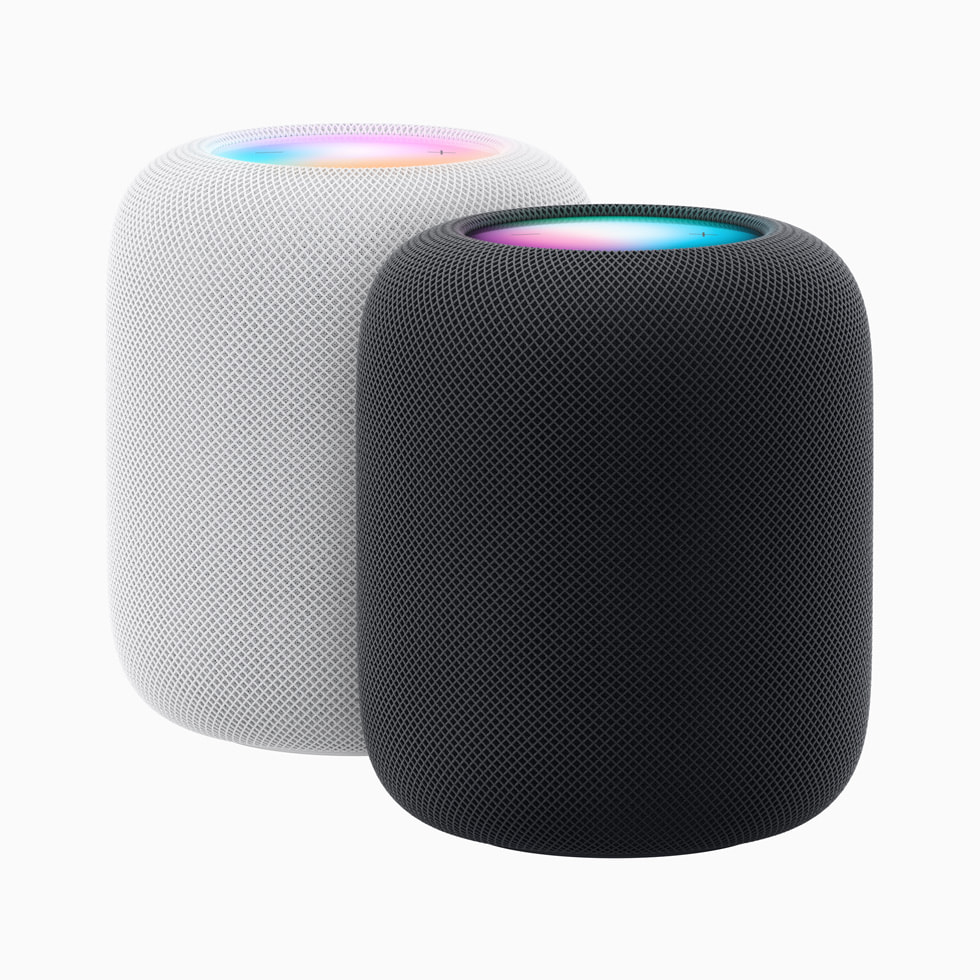
| Apple HomePod (2nd Gen) | Amazon Echo (4th Gen) | |
|---|---|---|
| Price | $299 on Amazon | $100 on Amazon |
| Best For | Apple ecosystem audiophiles | Smart home power users |
| Woofer | 4-inch high-excursion (20mm travel) | 3-inch woofer |
| Tweeters | 5 horn-loaded tweeters | 2 tweeters |
| Smart Home Hub | HomeKit, Thread, Matter | Zigbee, Matter, Ring, Sidewalk |
| Voice Assistant | Siri | Alexa |
The Death Match: 6 Rounds, 1 Winner
We're scoring each round from 1-10. Higher score wins the round. Let's fight!
Round 1: Sound Quality
The HomePod dominates here. What Hi-Fi? calls it "comfortably the best-sounding smart speaker of its size," and real-world testing backs this up. The 4-inch high-excursion woofer moves 20mm—that's twice as far as most competitors—delivering tight bass that hip-hop and rock fans love. The five-tweeter array creates a 360-degree soundstage that adapts to your room through computational audio processing.
The Echo 4th Gen isn't bad—CNN Underscored found it delivers "the strongest, loudest audio" among mid-range smart speakers. But bass can be overwhelming, dominating vocals and treble at times. The HomePod maintains clarity across the entire frequency range.
| Apple HomePod | Amazon Echo |
|---|---|
| 9/10 | 6/10 |
Round 1 Winner: Apple HomePod — Superior audio engineering with room-adapting spatial audio.
Score after Round 1: HomePod 9 | Echo 6
Round 2: Voice Assistant Intelligence
"Alexa is far superior to Siri, extra far," as one Bogleheads forum user bluntly put it. Multiple reviewers echo this sentiment: Alexa picks up queries right away, while Siri often needs clarification.
Mark Ellis Reviews noted the HomePod "sounds and looks fantastic—it's just not smart." Alexa's vast library of Skills and deep Amazon integration make it more versatile for daily tasks. However, Apple's Shortcuts integration does give power users the ability to create complex automations that Siri can execute.
After the iOS 26 update, AppleMagazine reported widespread complaints about AirPlay routing issues, volume control bugs, and Siri being summoned by phantom touches. Alexa isn't perfect—Consumer Reports found the new Alexa+ can struggle to find specific albums—but it's more consistent overall.
| Apple HomePod | Amazon Echo |
|---|---|
| 5/10 | 8/10 |
Round 2 Winner: Amazon Echo — Alexa responds faster, understands better, and does more.
Score after Round 2: HomePod 14 | Echo 14
Round 3: Smart Home Compatibility
This isn't close. Varkion puts it simply: "Alexa's openness is its superpower."
The Echo 4th Gen has a built-in Zigbee hub—no separate bridge needed for compatible smart lights, locks, sensors, and plugs. Add Amazon Sidewalk support for Ring products, and you can voice-control tens of thousands of third-party devices. Smart Home Wizards confirms: "Alexa shows compatibility with third-party devices without any restrictions."
HomePod requires HomeKit-compatible devices—period. That "walled garden" ensures security and performance, but limits your options significantly. If a device isn't HomeKit-certified, it won't work. The Ambient notes that once HomeKit devices are set up, they're "incredibly reliable"—but getting there is the challenge.

| Apple HomePod | Amazon Echo |
|---|---|
| 5/10 | 9/10 |
Round 3 Winner: Amazon Echo — Works with virtually everything; HomePod only works with HomeKit.
Score after Round 3: HomePod 19 | Echo 23
Round 4: Music Streaming Flexibility
Want to say "Hey Siri, play my Spotify playlist"? You can't. Apple Music is the only service that works with voice commands on HomePod. You can AirPlay Spotify or Pandora from your phone, but that defeats the point of a voice-controlled speaker.
Android Police confirms: "With the Amazon Echo, you can connect it to a variety of music streaming services, including Apple Music, while enjoying hands-free control." Echo supports Amazon Music, Spotify, Apple Music, SiriusXM, Pandora, and more—all with full voice control.
For Apple Music subscribers who never use anything else, HomePod's deep integration is a plus. But for everyone else, Echo's flexibility wins.
| Apple HomePod | Amazon Echo |
|---|---|
| 5/10 | 9/10 |
Round 4 Winner: Amazon Echo — Voice control for every major streaming service vs. Apple Music only.
Score after Round 4: HomePod 24 | Echo 32
Round 5: Privacy & Data Handling
Apple wins this round decisively. HomePod emphasizes on-device processing wherever possible, minimizing what goes to the cloud.
Mahomet Daily reported that as of March 2026, all Alexa voice recordings are automatically sent to Amazon's cloud—the local processing option was eliminated. Users can no longer keep their voice data off Amazon's servers.
Echo users also complain about aggressive advertising. Security.org found that Echo Show displays "show commercials like every 4th photo, including commercials of game shows, products, or quizzes." And those "By the way" suggestions after every query? Many users find them intrusive.
Apple's approach sacrifices some functionality for privacy. The trade-off is worth it for many users.
| Apple HomePod | Amazon Echo |
|---|---|
| 9/10 | 5/10 |
Round 5 Winner: Apple HomePod — On-device processing and no ads beats cloud-mandatory recordings.
Score after Round 5: HomePod 33 | Echo 37
Round 6: Value for Money
The Echo costs $100. The HomePod costs $299. That's a 3x price difference.
For $299, you get HomePod's audiophile-grade sound—there's nothing else like it at this size. But if you just want a competent smart speaker for timers, weather, smart home control, and casual music listening, the Echo delivers at one-third the price.
Rolling Stone found that "the HomePod wins out for audio quality while the Echo Dot has a better voice assistant and a cheaper price." For most households, $100 for an Echo makes more sense than $299 for a HomePod—unless sound quality is your top priority.
MacRumors Deals notes that discounts on HomePod are "fairly rare," while Echo regularly sees $20-40 off during sales.

| Apple HomePod | Amazon Echo |
|---|---|
| 6/10 | 9/10 |
Round 6 Winner: Amazon Echo — $100 vs $299 is a significant gap for casual users.
Final Score
| Product | Total Score | Verdict |
|---|---|---|
| Amazon Echo | 46/60 | WINNER |
| Apple HomePod | 39/60 |
The Winner: Amazon Echo
The Amazon Echo wins this death match by 7 points—and that gap reflects real-world usage. For most people, the Echo's smarter assistant, broader smart home compatibility, flexible music streaming, and $100 price point make it the more practical choice.
The HomePod absolutely crushes the Echo in sound quality, and privacy-conscious Apple users will appreciate the on-device processing approach. But Siri's limitations, HomeKit's walled garden, and the $299 price tag limit the HomePod's appeal to a specific audience: Apple Music subscribers who prioritize audio quality above all else.
If you're building a smart home from scratch, the Echo's Zigbee hub and vast device compatibility make setup easier. If you just want a good speaker that does smart things, the Echo delivers enough at one-third the price.
Ready to buy the winner? Get the Amazon Echo on Amazon for ~$100 →
When the Loser Actually Wins
The Apple HomePod isn't right for everyone, but it's the better choice if:
- You're all-in on Apple: iPhone, iPad, Mac, Apple TV, Apple Music—the HomePod integrates seamlessly with this ecosystem
- Sound quality is non-negotiable: No other smart speaker of this size sounds this good, period
- You value privacy: On-device processing means less data in the cloud
- You already have HomeKit devices: The HomePod functions as a reliable HomeKit hub with Thread support
- You want home theater audio: Stereo HomePod pairs with Apple TV deliver impressive surround sound
The HomePod might be right for you: Check price on Amazon →
Frequently Asked Questions

Can I use Spotify with HomePod?
Not with voice commands. Apple Music is the only streaming service that works with Siri on HomePod. You can AirPlay Spotify from your iPhone, iPad, or Mac, but you can't say "Hey Siri, play my Spotify playlist." The Echo supports Spotify, Apple Music, Amazon Music, Pandora, and more—all with full voice control.
Which has better bass—HomePod or Echo?
HomePod by a wide margin. The 4-inch high-excursion woofer moves 20mm, delivering tight, accurate bass that DXOMARK found has "deep low-end extension." The Echo's 3-inch woofer produces punchy bass but can sound overwhelming, dominating vocals and treble according to What Hi-Fi?.
How long do these speakers last?
Both typically last 3-5 years depending on usage. Build quality differs: HomePod uses premium materials and feels heavier; Echo uses cost-effective but durable construction. Apple Community forums show some complaints about HomePod reliability, particularly after software updates, while Alexa users note the assistant has become "buggier and less reliable than in the past" according to Consumer Affairs.
Can Echo work without Wi-Fi?
No. Both devices require Wi-Fi for core functionality. Alexa processes most commands via Amazon's cloud servers, so internet outages mean no smart assistant. HomePod similarly needs connectivity for Siri, though some local playback may work offline.
Sources
- AppleMagazine - HomePod Problems After iOS 26
- What Hi-Fi? - Apple HomePod 2 Review
- What Hi-Fi? - Echo vs HomePod Mini
- Consumer Reports - Alexa+ Review
- Mark Ellis Reviews - 2023 HomePod Review
- DXOMARK - HomePod 2nd Gen
- Rolling Stone - HomePod Mini vs Echo Dot
- Reolink - HomePod vs Alexa
- Varkion - HomePod vs Alexa Showdown
- Smart Home Wizards - HomePod vs Echo
- CNN Underscored - Echo vs HomePod Mini vs Nest Audio
- MacRumors - HomePod Deals
- Mahomet Daily - Echo Privacy Changes
- The Ambient - Echo vs HomePod Mini
- Android Police - Echo Dot vs HomePod Mini
- Trusted Reviews - HomePod 2 vs Echo Studio