
Google Home vs Amazon Echo: Which Smart Speaker Actually Wins in 2026?
Based on expert reviews from RTINGS, SoundGuys, and TechRadar, plus real user experiences from Reddit and ConsumerAffairs
The short answer: Amazon Echo wins for most buyers. It has better bass, wider smart home compatibility (140,000+ devices vs 50,000+), and Alexa+ is free for Prime members. Google Home fights back with superior voice intelligence and cleaner audio, but ongoing reliability issues and Gemini rollout problems drag it down. Get the Echo (4th Gen) on Amazon for $99 →
The Fighters
| Google Nest Audio | Amazon Echo (4th Gen) | |
|---|---|---|
| Price | $99 on Amazon | $99 on Amazon |
| Best For | Android users who want natural conversation | Prime members who want bass and smart home control |
| Woofer | 75mm mid-woofer | 76.2mm neodymium woofer |
| Tweeters | 1 x 19mm | 2 x 20mm |
| Smart Home Devices | 50,000+ | 140,000+ |
| AI Upgrade | Gemini for Home | Alexa+ |
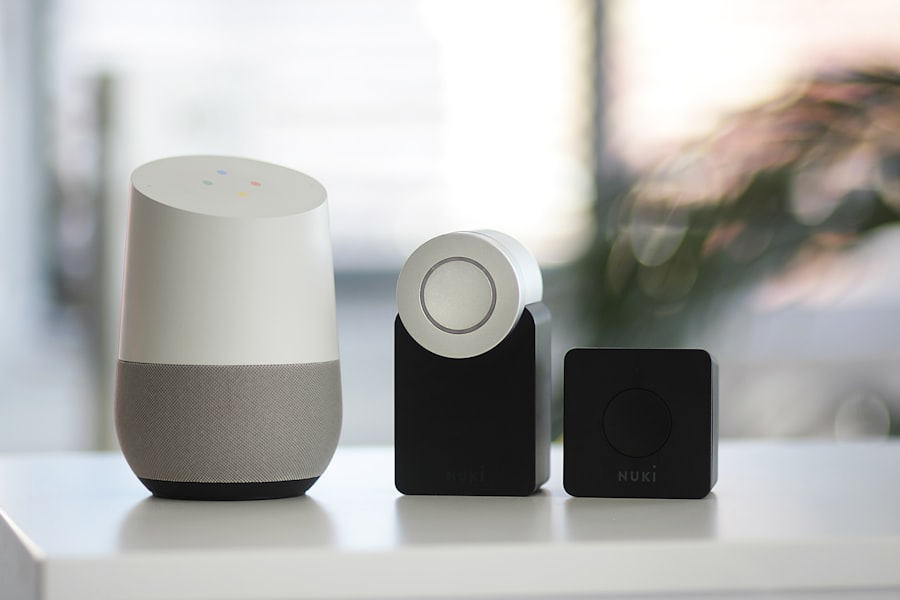
The Death Match: 6 Rounds, 1 Winner
We're scoring each round from 1-10. Higher score wins the round. Let's fight!
Round 1: Sound Quality
The Echo (4th Gen) brings the bass. With its 76.2mm neodymium woofer and dual 20mm tweeters, reviewers at TechRadar called it "constantly impressive across genres" with a "nice thump on the low end." The Dolby processing adds punch, and one reviewer compared it favorably to the Sonos One at half the price.
The Nest Audio takes a different approach. SoundGuys praised its "extremely accurate midrange and treble reproduction." Vocals come through beautifully with no sibilance. But bass is intentionally de-emphasized—if you're into EDM or hip-hop, you'll notice.
The Nest Audio does have tricks up its sleeve: Media EQ automatically adjusts sound based on content type, and Ambient IQ tweaks volume based on room noise. But for pure punch, Echo wins.
| Google Nest Audio | Amazon Echo (4th Gen) |
|---|---|
| 7/10 | 8/10 |
Round 1 Winner: Amazon Echo — More bass, louder output, Dolby processing
Score after Round 1: Google 7 | Amazon 8
Round 2: Voice Assistant Intelligence
Google Assistant demolishes Alexa in testing. In accuracy benchmarks, Google scored 93% versus Alexa's 80%, according to SoundGuys.
The real difference? Natural conversation. Google handles compound commands flawlessly—say "turn off the lights AND set an alarm for 7am" and it does both. Alexa often needs you to split that into two requests.
Google also understands messy, imprecise questions better. You don't need to phrase things perfectly. Ask "who's that actor from the movie with the shark?" and Google figures it out. Alexa relies more heavily on Wikipedia and struggles with contextual follow-ups.
Both are getting AI upgrades in 2026—Gemini for Home and Alexa+—but Google's core language understanding remains superior.
| Google Nest Audio | Amazon Echo (4th Gen) |
|---|---|
| 9/10 | 7/10 |
Round 2 Winner: Google Nest Audio — 93% vs 80% accuracy, better natural language
Score after Round 2: Google 16 | Amazon 15
Round 3: Smart Home Compatibility
This isn't close. Alexa supports over 140,000 smart home devices compared to Google's 50,000+, per SafeWise. That three-to-one advantage matters when you're building out your home.
Even better: the Echo (4th Gen) has a built-in Zigbee hub. That means you can directly pair low-cost smart accessories from Ikea, Sengled, and others without buying a separate hub. Google only offers Matter and Thread support on the Nest Hub devices—not the Nest Audio.
Alexa also has over 100,000 third-party "skills" extending functionality in ways Google can't match. Want your speaker to order pizza, check your bank balance, or play a trivia game? Alexa probably has a skill for it.
The one area Google wins: it works more reliably with Matter-certified devices and handles multi-device commands in a single breath.
| Google Nest Audio | Amazon Echo (4th Gen) |
|---|---|
| 6/10 | 9/10 |
Round 3 Winner: Amazon Echo — 140K devices, built-in Zigbee, 100K skills
Score after Round 3: Google 22 | Amazon 24
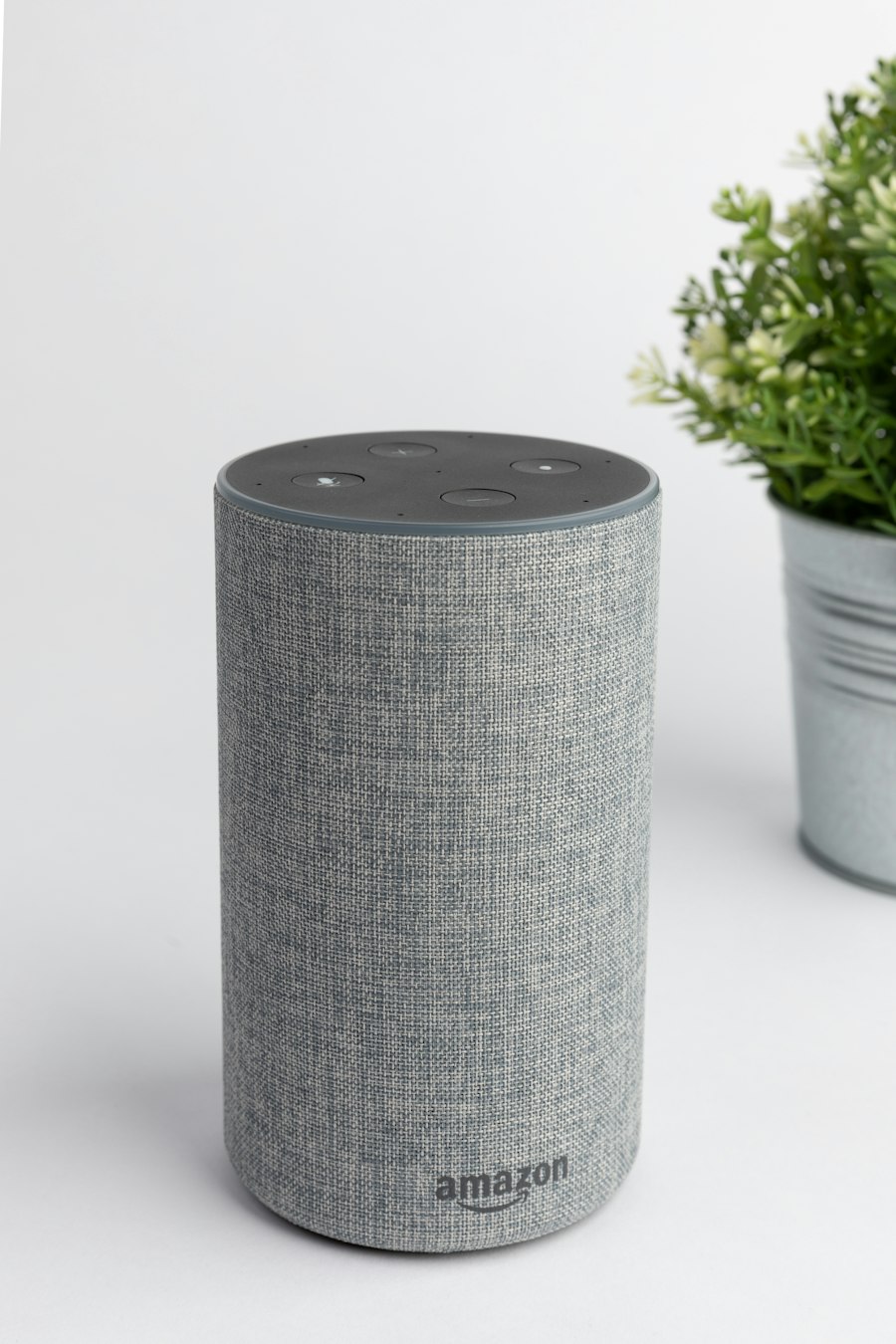
Round 4: App Experience & Ease of Use
Google's redesigned Home app is genuinely impressive in 2026. According to Google, it loads 70% faster on Android, crashes 80% less often, and camera live views load 30% faster.
The three-tab layout (Home, Activity, Automations) puts everything you need up front. Smart suggestions automatically create routines based on your behavior—no manual setup required.
Alexa's app uses category buckets instead of a unified dashboard. Want to control a specific light? First pick the category, then find the device. Consumer Reports called the Alexa app "still a mess" in their 2026 review.
For beginners, Google's simpler. For power users who want granular automation control, Alexa's "If/When" building blocks offer more flexibility—just expect a steeper learning curve.
| Google Nest Audio | Amazon Echo (4th Gen) |
|---|---|
| 8/10 | 6/10 |
Round 4 Winner: Google Nest Audio — 70% faster app, 80% fewer crashes, cleaner interface
Score after Round 4: Google 30 | Amazon 30
Round 5: AI Features (2026 Upgrades)
Both platforms launched major AI upgrades, but the execution differs dramatically.
Alexa+ (launched February 2025) works. It maintains multi-turn conversations without repeating the wake word, remembers your preferences, and can actually complete tasks like booking restaurant reservations or concert tickets. The killer feature: it's free for Prime members. Non-Prime users pay $19.99/month. New integrations with Expedia, Yelp, and Angi are coming in 2026, per TechCrunch.
Gemini for Home (rolling out late 2025) is rockier. TechRadar reported "broken responses and missing features." One user couldn't control smart lights—a basic task Google Assistant handled fine. Previously free features now require a Google Home Premium subscription ($10-20/month).
Google's Gemini has potential—natural voices, conversational context, smart camera summaries—but the rollout has been painful.
| Google Nest Audio | Amazon Echo (4th Gen) |
|---|---|
| 6/10 | 8/10 |
Round 5 Winner: Amazon Echo — Alexa+ actually works, free for Prime, fewer bugs
Score after Round 5: Google 36 | Amazon 38
Round 6: Reliability & Long-Term Value
This round hurts Google badly.
An Android Authority poll of 1,591 users found only 12% reported bug-free operation. A staggering 64% admitted they only stick with Google Home due to "sunk-cost investment." Users report commands not working, automations breaking, devices going offline, and the entire platform feeling like "a shell of its former self."
A law firm (Kaplan Gore) is investigating a potential lawsuit. Google's Chief Product Officer publicly apologized and promised fixes. That's how bad it's gotten.
Echo devices have problems too—Consumer Affairs users complain about "By the way" ad interruptions and the March 2025 privacy change that eliminated local voice processing. But the core functionality remains more stable.
For long-term value, the Echo Dot Max includes Eero mesh router functionality. The ecosystem is actively expanding. Google discontinued third-party speaker support and stalled hardware development.
| Google Nest Audio | Amazon Echo (4th Gen) |
|---|---|
| 5/10 | 7/10 |
Round 6 Winner: Amazon Echo — Google's 12% bug-free rate vs more stable Amazon ecosystem

Final Score
| Product | Total Score | Verdict |
|---|---|---|
| Amazon Echo (4th Gen) | 45/60 | WINNER |
| Google Nest Audio | 41/60 |
The Winner: Amazon Echo (4th Gen)
Amazon Echo takes the crown with a decisive 45-41 victory. The combination of superior bass, massive smart home compatibility (140,000+ devices), working AI features via Alexa+, and better long-term reliability makes it the safer buy for most households.
Google Home isn't a bad product—when it works. The voice assistant is genuinely smarter, the app is cleaner, and the sound signature favors clarity over boom. But the reliability problems documented across Reddit, TechRadar, and Android Authority are too severe to ignore. When only 12% of users report bug-free operation, that's a systemic failure.
The pricing makes this even clearer: Alexa+ is free for Prime members ($14.99/month includes it), while Google's Gemini upgrades require a separate $10-20/month subscription on top of features that still have bugs.
Ready to buy the winner? Get the Amazon Echo (4th Gen) on Amazon for $99 →
When the Loser Actually Wins
Google Nest Audio isn't right for everyone, but it's the better choice if:
- You're deep in the Google ecosystem — Android phone, Gmail, Google Calendar, YouTube, Chromecast, Nest cameras. Everything talks to everything.
- You hate repeating yourself — Google handles compound commands and follow-up questions dramatically better than Alexa.
- You prefer clarity over bass — The Nest Audio's sound signature favors accurate mids and crisp highs over thumping lows.
- Privacy matters more than features — Google's voice data policies are more transparent, and Gemini data "is never used for ads."
- You already own Nest devices — The integration is seamless if you're already committed.
Just know what you're getting into: potential reliability headaches, a platform that feels like it's treading water, and AI features locked behind a subscription.
Google Nest Audio might be right for you: Check price on Amazon →
Frequently Asked Questions

Is Alexa+ worth the subscription cost?
If you're already a Prime member, yes—it's included free. For non-members, $19.99/month is steep unless you heavily use voice assistants for tasks like booking reservations, managing calendars, or smart home automation. The conversational improvements and memory features are legitimately useful.
Why is Google Home so buggy in 2026?
Google appears to have spread itself too thin. They discontinued third-party speaker support, stalled hardware development, and rushed the Gemini rollout before it was ready. The company's Chief Product Officer publicly apologized and admitted they need "a long term solution that provides better reliability."
Can I use both Google and Alexa together?
Yes, but it's messy. Most smart home devices support both platforms, so you can have an Echo in one room and Nest Audio in another. But automations and routines don't sync across platforms—you'll need to set them up separately for each ecosystem.
Which has better music quality?
Amazon Echo for bass-heavy genres like EDM, hip-hop, and electronic. Google Nest Audio for vocals, acoustic, jazz, and genres where clarity matters. Neither matches dedicated speakers like Sonos, but both sound good for $99 smart speakers.
Sources
- SoundGuys - Google Nest Audio vs Amazon Echo (4th Gen)
- RTINGS - Amazon Echo Gen 4 vs Google Nest Audio
- TechRadar - Amazon Echo 2020 vs Google Nest Audio
- SafeWise - Google Home vs Alexa
- Android Authority - I ditched Google Home
- TechRadar - Gemini for Home rollout problems
- Consumer Reports - Alexa+ Review
- TechCrunch - Alexa+ integrations
- Google Blog - Gemini for Home
- Tom's Guide - Alexa+ features