
Gaming Monitor vs TV: Which Display Wins for Your Gaming Setup?
Based on RTINGS testing, Reddit discussions, and real user experiences from AVS Forum and Steam Community
The short answer: Gaming monitors win for competitive players who need lightning-fast response times and high refresh rates, while TVs dominate for cinematic, couch-based gaming experiences. If you play competitive FPS games like Valorant or CS2, get a monitor. If you're enjoying story-driven single-player games from your couch, a TV delivers better immersion. Check top gaming monitors on Amazon →
The Fighters
| Gaming Monitor | TV for Gaming | |
|---|---|---|
| Price | $280-$1,100 on Amazon | $500-$2,500 on Amazon |
| Best For | Competitive gaming, esports, desk setups | Cinematic gaming, couch play, console gaming |
| Screen Size | 24-34 inches typical | 55-85 inches typical |
| Refresh Rate | Up to 600Hz | Up to 144Hz |
| Input Lag | 1-5ms | 10-20ms (Game Mode) |
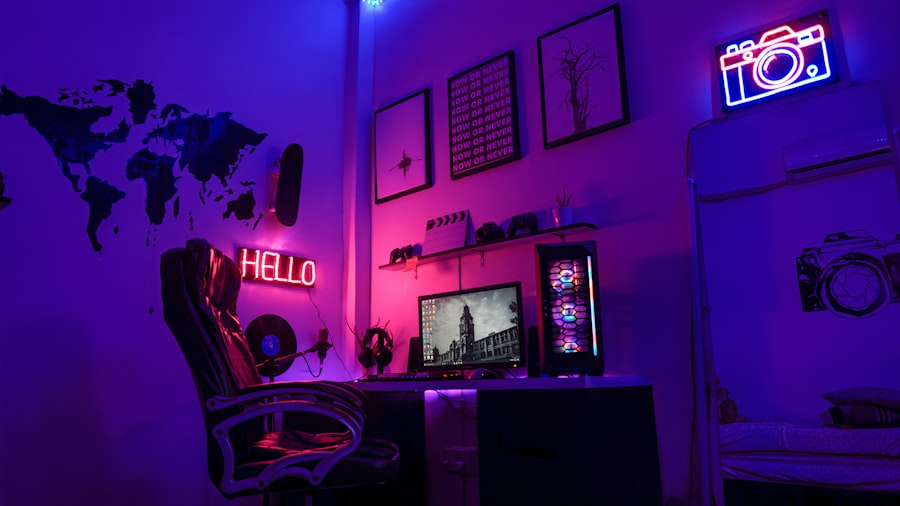
The Death Match: 6 Rounds, 1 Winner
We're scoring each round from 1-10. Higher score wins the round. Let's fight!
Round 1: Input Lag & Response Time
This is where gaming monitors absolutely dominate. Modern gaming monitors deliver input lag as low as 1-3ms, with OLED panels achieving instantaneous pixel response times of 0.03ms GtG. According to RTINGS, the ASUS ROG Swift OLED series consistently tests under 3ms total input lag.
TVs, even with Game Mode enabled, typically measure 10-20ms input lag. Display Ninja notes that "while some TVs have a Game Mode which can reduce lag from 60ms to around 20, it is still very far from a monitor's benchmark of 10ms." Budget gaming TVs like the Fire TV 4-Series test at 18.5ms—noticeable for competitive players.
For professional and competitive gaming, this difference is everything. In fast-paced shooters, those extra milliseconds translate to missed shots and slower reactions.
| Gaming Monitor | TV for Gaming |
|---|---|
| 9/10 | 5/10 |
Round 1 Winner: Gaming Monitor — Sub-5ms input lag is essential for competitive play, and TVs simply can't match it.
Score after Round 1: Gaming Monitor 9 | TV 5
Round 2: Refresh Rate & Smoothness
Gaming monitors push refresh rates to extremes that TVs can't touch. The Acer Predator XB273U F6 announced at CES 2026 offers 500Hz default (boosted to 1000Hz at 720p). Even mid-range gaming monitors commonly feature 240-360Hz panels.
TVs max out at 120Hz native, with some models like the TCL QM6K offering 144Hz via overclock. While 120Hz is smooth enough for most console gaming—especially since PS5 and Xbox Series X cap at 120fps—competitive PC gamers notice the difference immediately.
Reddit discussions consistently recommend 240Hz+ monitors for competitive titles. The LG UltraGear 45GX950A-B, a Reddit favorite, offers dual modes: 5K at 165Hz or 2K at 330Hz.
| Gaming Monitor | TV for Gaming |
|---|---|
| 9/10 | 6/10 |
Round 2 Winner: Gaming Monitor — 360Hz+ destroys 120Hz for competitive smoothness.
Score after Round 2: Gaming Monitor 18 | TV 11
Round 3: Screen Size & Immersion
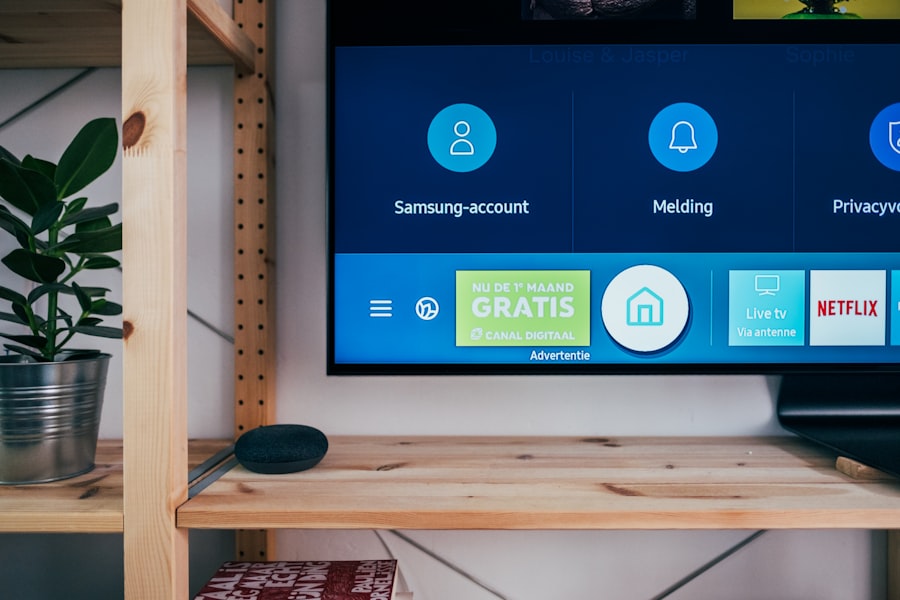
Here's where TVs fight back. A 65-inch OLED TV delivers a cinematic experience that no 27-inch monitor can match. For story-driven games like Elden Ring or God of War, the massive screen creates genuine immersion.
BenQ's research confirms that "TVs shine in living room setups, offering a cinematic gaming experience with their large screens and vibrant visuals. They're perfect for multiplayer gaming or immersive story-driven games played from a distance."
But here's the competitive counter: professional gamers universally use 24-27" monitors because smaller screens allow tracking the entire display without eye or head movement. Screen Size Checker notes that "no competitive PC gamer uses a TV" for this reason.
For pure visual spectacle and living room gaming, TVs are unmatched. For competitive awareness, monitors win.
| Gaming Monitor | TV for Gaming |
|---|---|
| 5/10 | 9/10 |
Round 3 Winner: TV — Nothing beats a 65"+ OLED for cinematic immersion.
Score after Round 3: Gaming Monitor 23 | TV 20
Round 4: Picture Quality & HDR
This round is closer than you'd expect. Modern OLED TVs like the Samsung S95F and LG C5 deliver phenomenal HDR performance with peak brightness up to 2,000+ nits and perfect blacks. The Hisense U8QG reaches an incredible 5,000 nits peak brightness—making HDR content absolutely pop.
Gaming monitors have caught up significantly with QD-OLED technology. The ASUS ROG Swift OLED series and Alienware AW3225QF deliver OLED's perfect contrast and infinite blacks in monitor form. However, PC Gamer notes a persistent issue: "Neither QD-OLED nor WOLED subpixel layouts have been able to give the clarity of a traditional LCD monitor's subpixel layout. Text appears slightly fuzzy."
TVs also handle HDR tone mapping better for gaming content, optimized for the living room experience. Monitor HDR, while improving, often requires more tweaking.
| Gaming Monitor | TV for Gaming |
|---|---|
| 7/10 | 9/10 |
Round 4 Winner: TV — Superior HDR brightness and better-tuned gaming HDR processing.
Score after Round 4: Gaming Monitor 30 | TV 29
Round 5: Value for Money
Budget gaming monitors offer exceptional price-to-performance. The AOC Q27G40XMN delivers 27-inch 1440p at 180Hz with a mini-LED backlight for around $280—genuine HDR hardware at a budget price. Premium OLED monitors like the Alienware AW3225QF start at $850.
TVs require more investment for gaming-grade performance. The TCL QM6K offers excellent value at ~$500 for 55 inches with 144Hz support, but quality OLED TVs like the LG C5 start around $1,300 for 55 inches. The Samsung S95F—the best overall gaming TV according to RTINGS—runs $1,800-$2,500.
For pure gaming performance per dollar, monitors win decisively. But if you're buying a TV for multiple purposes (streaming, movies, general use) plus gaming, the TV's versatility offers broader value.
| Gaming Monitor | TV for Gaming |
|---|---|
| 8/10 | 6/10 |
Round 5 Winner: Gaming Monitor — Better gaming performance per dollar, especially at budget tiers.
Score after Round 5: Gaming Monitor 38 | TV 35
Round 6: Longevity & Burn-In Risk
Both OLED monitors and OLED TVs face burn-in concerns, but the risk profile differs based on usage patterns.
AVS Forum users report that "if you only play one game all the time with static HUDs, then your chance of getting burn-in is very high." One Steam Community user documented "massive burn-in from playing Diablo 2, PoE, and Diablo 4 for around 2.5k hours over a couple years"—the skill bars and health globes permanently visible.
Modern OLED displays include pixel shift, logo dimming, and panel refresh features. ViewSonic notes that "with today's protections, burn-in is one of the least likely issues your monitor will ever develop, so long as you make reasonable concessions to your brightness and usage patterns."
For varied gaming with different titles, burn-in is manageable on both. For single-game grinders with static HUDs, LED/Mini-LED monitors offer worry-free longevity.
| Gaming Monitor | TV for Gaming |
|---|---|
| 7/10 | 7/10 |
Round 6 Winner: Tie — Both face similar OLED burn-in risks; both have similar mitigation features.
Final Score
| Product | Total Score | Verdict |
|---|---|---|
| Gaming Monitor | 45/60 | WINNER |
| TV for Gaming | 42/60 |
The Winner: Gaming Monitor
Gaming monitors take this Death Match by a slim but decisive margin. Their advantages in input lag, refresh rate, and value make them the objective choice for anyone prioritizing competitive gaming performance.
The sub-5ms input lag and 240Hz+ refresh rates aren't marketing fluff—they're measurable advantages that translate directly to better gameplay in fast-paced titles. RTINGS testing consistently shows monitors outperforming TVs in response metrics that matter for gaming.
That said, this was closer than expected. Modern gaming TVs have improved dramatically—the Samsung S95F and LG C5 deliver legitimate gaming performance that would have been unthinkable five years ago. For casual gamers who prioritize visual spectacle over competitive edge, TVs remain compelling.
Ready to buy the winner? Get a Gaming Monitor on Amazon →
When the Loser Actually Wins
TVs aren't right for everyone, but they're the better choice if:
- You game primarily from a couch or distance of 6+ feet — Monitors require desk viewing distances of 2-3 feet
- You play mostly single-player, story-driven games — Assassin's Creed, Final Fantasy, and Red Dead Redemption shine on big screens
- Your gaming is console-focused (PS5/Xbox Series X) — Consoles cap at 120fps anyway, negating monitor refresh rate advantages
- You want one display for gaming, streaming, and movies — TVs serve multiple household purposes better
- You prioritize HDR impact over response time — TV HDR implementation remains superior for visual spectacle
A gaming TV might be right for you: Check Gaming TVs on Amazon →
Frequently Asked Questions

Is input lag really noticeable between monitors and TVs?
For casual gaming, most players won't notice the difference between 5ms and 15ms input lag. But for competitive games—especially shooters like Valorant, CS2, or Apex Legends—pro players and high-ranked amateurs consistently report feeling the delay. If you're playing ranked competitive modes, a monitor's lower input lag provides a genuine advantage.
Can I use a TV as a computer monitor for gaming?
Yes, and many gamers do successfully. Modern 4K OLED TVs like the LG C5 support proper G-Sync/FreeSync, 120Hz, and HDR simultaneously. The main downsides are: (1) text clarity can suffer due to lower pixel density at desk viewing distances, (2) you may need to sit further back than typical monitor distance, and (3) input lag will be higher than dedicated monitors.
What size monitor is best for competitive gaming?
Professional esports players overwhelmingly use 24-27 inch monitors. BenQ research confirms this allows tracking the entire screen without eye or head movement—critical for situational awareness in competitive titles. For casual gaming, 27-32 inches offers a good balance of immersion and performance.
Will OLED burn-in ruin my gaming display?
Burn-in is a real concern but often overstated for typical usage. The highest risk comes from playing a single game with static HUD elements for thousands of hours. If you play varied games and don't leave static images displayed for extended periods, modern OLED protections (pixel shift, panel refresh, logo dimming) make burn-in unlikely. For worry-free longevity, consider Mini-LED alternatives.
Sources
- RTINGS - Best Gaming Monitors 2026
- RTINGS - Best Gaming TVs 2026
- RTINGS - PC Monitor vs TV
- Tom's Hardware - Best Gaming Monitors 2026
- PC Gamer - Best Gaming Monitor
- TechSpot - Best Gaming Monitors 2026
- GamesRadar - Best Gaming TV 2026
- BenQ - Monitor vs TV for Gaming
- Display Ninja - TV vs Monitor
- Display Ninja - Input Lag vs Response Time
- Tom's Guide - Reddit Monitor Recommendations
- Screen Size Checker - Gaming Monitor vs TV
- ViewSonic - OLED Burn-In
- AVS Forum - OLED Burn-In Gaming
- Engadget - CES 2026 Gaming Monitors