
French Press vs Pour Over: Which Coffee Method Actually Tastes Better?
Based on barista expertise, coffee enthusiast forums, and real user experiences
The short answer: Pour over wins for most coffee lovers who want to actually taste what they're drinking. It produces a cleaner, brighter cup that highlights the subtle flavors in quality beans—while filtering out the cholesterol-raising compounds that French press lets through. Yes, it requires more technique, but a $10 Hario V60 will change how you think about coffee. Get the Hario V60 on Amazon for $10 →
The Fighters
| French Press | Pour Over | |
|---|---|---|
| Price | $20-100 on Amazon | $10-50 on Amazon |
| Best For | Bold, full-bodied coffee lovers | Light roast enthusiasts, flavor chasers |
| Brew Time | 4 minutes (passive) | 3-4 minutes (active) |
| Difficulty | Easy | Moderate |
| Filter Type | Metal mesh (reusable) | Paper (ongoing cost) |
| Top Pick | Bodum Chambord | Hario V60 |
The Death Match: 6 Rounds, 1 Winner
We're scoring each round from 1-10. Higher score wins the round. Let's fight!
Round 1: Flavor & Taste
This is what matters most. French press and pour over produce fundamentally different cups of coffee.
French press uses immersion brewing with a metal mesh filter. The grounds steep directly in hot water, and the metal filter lets oils and fine particles into your cup. The result? A full-bodied, heavy, almost oily texture that emphasizes chocolate, nutty, and earthy notes. Dark roasts shine here. It's bold coffee that can stand up to milk, cream, or even whiskey.
Pour over uses gravity and paper filtration. Hot water passes through the grounds and a paper filter that traps oils and sediment. You get a clean, bright, nuanced cup where you can actually taste the origin notes in your beans. One convert described it as "like realizing I could see in color for the first time." Light roasts and specialty single-origins reveal their true character.
| French Press | Pour Over |
|---|---|
| 7/10 | 9/10 |
Round 1 Winner: Pour Over — Cleaner extraction reveals flavors you didn't know existed in your coffee.
Score after Round 1: French Press: 7 | Pour Over: 9
Round 2: Health Impact
Here's something most coffee drinkers don't consider: your brewing method affects your cholesterol.
French press coffee contains cafestol, a compound that raises LDL ("bad") cholesterol. The metal mesh filter doesn't remove it. Studies show that 5 cups of French press coffee daily can increase LDL by about 7 mg/dL. Unfiltered coffee has approximately 300 times more cafestol than paper-filtered coffee. French press also tends to extract more caffeine and can be harder on sensitive stomachs due to higher acidity.
Pour over's paper filter removes virtually all cafestol, making it the healthier choice for your heart. If you're drinking multiple cups daily or already watching your cholesterol, this matters. The paper also traps bitter compounds and oils that some people find unpleasant.
| French Press | Pour Over |
|---|---|
| 5/10 | 9/10 |
Round 2 Winner: Pour Over — Paper filtration protects your heart by removing cholesterol-raising compounds.
Score after Round 2: French Press: 12 | Pour Over: 18
Round 3: Ease of Use
Not everyone wants a coffee ritual. Sometimes you just need caffeine in your bloodstream, fast.
French press is genuinely set-it-and-forget-it simple. Add coarse grounds, pour hot water, wait 4 minutes, press, pour. The main mistakes—wrong grind size or over-steeping—are easy to fix once you know them. No special technique required. Perfect for lazy weekend mornings when you're still half asleep.
Pour over demands your attention. Water temperature needs to be above 185°F. Your pouring technique affects extraction. Too fast, too slow, uneven coverage—all produce different (often disappointing) results. Experts call it "more prone to human error than any other brewing method." Problems like stalling, channeling, and under-extraction plague beginners. It's a skill you develop over time.
| French Press | Pour Over |
|---|---|
| 9/10 | 6/10 |
Round 3 Winner: French Press — Foolproof brewing that works even before your first cup kicks in.
Score after Round 3: French Press: 21 | Pour Over: 24
Round 4: Equipment Cost
Both methods are dramatically cheaper than espresso machines, but the math differs between upfront and ongoing costs.
French press equipment costs $20 for a basic Bodum Brazil up to $100+ for an Espro P7. The mesh filter is reusable forever—no ongoing costs besides coffee beans. For budget shoppers who drink coffee daily, French press saves money over years of use.
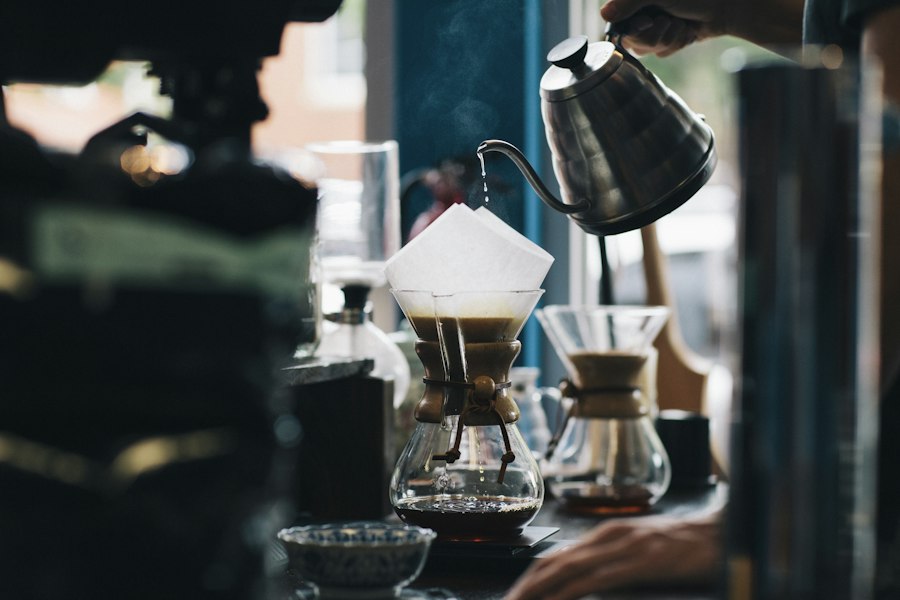
Pour over equipment starts at just $10 for a plastic Hario V60—one of the best performers available. Ceramic versions run $25-35, and a Chemex for larger batches is about $47. But you need paper filters: Hario filters cost about 9.5 cents each, Chemex filters about 11 cents. At one cup daily, that's ~$35-40/year in filter costs. Not a dealbreaker, but it adds up.
| French Press | Pour Over |
|---|---|
| 8/10 | 7/10 |
Round 4 Winner: French Press — Zero ongoing costs beat recurring filter purchases.
Score after Round 4: French Press: 29 | Pour Over: 31
Round 5: Cleanup & Maintenance
Nobody talks about this, but coffee cleanup is part of your daily routine forever.
French press cleanup is more involved than it looks. You need to disassemble the plunger, scrape out wet grounds (don't put them down your drain), and scrub the mesh filter where oils accumulate. Coffee stains build up on the glass over time. And no matter how well you clean, there's always a bit of grit at the bottom of your cup.
Pour over cleanup is remarkably simple. Lift out the paper filter—grounds and all—and toss it in compost or trash. Rinse the dripper. Done. No sediment issues, no disassembly, no scrubbing mesh. The paper filter catches everything unpleasant.
| French Press | Pour Over |
|---|---|
| 5/10 | 9/10 |
Round 5 Winner: Pour Over — Two-second cleanup vs. disassembly and scrubbing every time.
Score after Round 5: French Press: 34 | Pour Over: 40
Round 6: Versatility & Capacity
Different situations call for different amounts of coffee.
French press excels at batch brewing for multiple people. A standard 34oz press makes about 4 cups at once. The bold flavor holds up when you add milk, cream, sugar, or even alcohol—making it great for coffee cocktails or people who don't drink black coffee. Dark roasts taste best, but it handles medium roasts acceptably.
Pour over is typically designed for single servings—a standard V60 makes 1-2 cups. Chemex handles larger batches but requires more skill. The clean, delicate flavor means additives can overwhelm the taste—it's really designed to be drunk black or with minimal additions. It's fantastic for light roasts and specialty beans but can make dark roasts taste sour if you're not careful with technique.
| French Press | Pour Over |
|---|---|
| 8/10 | 6/10 |
Round 6 Winner: French Press — Better for households, guests, and people who customize their coffee.
Final Score
| Method | Total Score | Verdict |
|---|---|---|
| Pour Over | 46/60 | WINNER |
| French Press | 42/60 |
The Winner: Pour Over
Pour over takes the crown with a score of 46 to 42. The victory comes from three decisive categories: flavor clarity, health benefits, and ease of cleanup.
When you drink pour over coffee, you taste your beans—not oils, sediment, or brewing byproducts. The paper filter doesn't just remove grit; it removes cholesterol-raising cafestol that French press delivers straight to your bloodstream. And when you're done, cleanup takes seconds instead of minutes.
French press puts up a strong fight on ease of use and value. There's something beautifully simple about dumping grounds in water and pressing a plunger. No technique to master, no filters to buy. For households making multiple cups or people who load up their coffee with cream and sugar, French press might actually be the smarter choice.
But if you care about tasting what you're drinking—if you've ever wondered what "notes of blueberry and jasmine" actually means on a coffee bag—pour over will show you.
Ready to buy the winner? Get the Hario V60 on Amazon for $10 →
When the Loser Actually Wins
French Press isn't right for everyone, but it's the better choice if:
- You prefer bold, heavy coffee — French press's signature full body and oiliness is exactly what some people want. If you find pour over "weak," French press is your method.
- You hate morning complexity — Add grounds, add water, wait, press. No pouring technique, no variables to stress about before your first cup.
- You're making coffee for a group — One French press brews 4+ cups. Pour over makes you repeat the ritual for each person.
- You add milk, cream, or flavoring — French press's bold flavor survives additives. Pour over's delicate notes get buried.
- You refuse ongoing costs — The mesh filter lasts forever. No paper filters, ever.
French Press might be right for you: Check price on Amazon →
Frequently Asked Questions
Is French press coffee actually bad for your health?
It's not "bad," but it raises LDL cholesterol more than filtered coffee. The metal mesh doesn't filter out cafestol, which increases LDL by about 7 mg/dL if you drink 5 cups daily. For occasional French press drinkers, this is negligible. For daily multi-cup drinkers watching cholesterol, paper-filtered methods are healthier.
Why is my pour over coffee weak and watery?
Usually wrong grind size (too coarse), wrong ratio (not enough coffee), or under-extraction (water passed through too quickly). Start with 1:15 coffee-to-water ratio, use medium-fine grind, and aim for 3-4 minute total brew time.
Can I use the same beans for both methods?
Yes, but they'll taste different. Dark roasts shine in French press; the immersion brewing brings out chocolate and earthy notes. Light roasts and single-origins are better for pour over, which highlights fruity and floral notes that French press would muddy.
Which method makes stronger coffee?
French press typically produces higher caffeine extraction due to longer contact time between water and grounds. However, "stronger" flavor-wise depends on your ratio. You can make weak French press or intense pour over—it's about how much coffee you use.
Do I really need a gooseneck kettle for pour over?
Not required, but strongly recommended. A gooseneck kettle gives you precise control over pour rate and placement, which dramatically affects extraction. You can start with a regular kettle, but upgrading improves consistency.
Sources
- Fellow Products - French Press vs Pour Over
- Williams-Sonoma - French Press vs Pour Over Pros & Cons
- Voltage Coffee - Is French Press Bad For You
- Tom's Guide - Best Pour Over Coffee Makers
- CNN Underscored - Best French Presses
- Gear Patrol - 7 Pour Over Mistakes
- Daniel Norris - French Press vs Pour Over
- Homes and Gardens - Barista Guide
- Corner Coffee Store - Chemex vs V60
- Something's Brewing - Pour Over Problems