
Fitbit vs Whoop: Which Fitness Tracker Actually Delivers Results?
Based on peer-reviewed sleep studies, user reviews from Trustpilot and Reddit, and hands-on comparisons from Wareable, Cybernews, and fitness experts
The short answer: Fitbit wins for most people. At $160 one-time versus Whoop's $240+/year subscription, Fitbit Charge 6 delivers 90% of the tracking capability at a fraction of the cost. Whoop only makes sense if you're a serious athlete obsessed with HRV-based recovery optimization—and willing to pay indefinitely for it. Get Fitbit Charge 6 on Amazon for ~$160 →
The Fighters
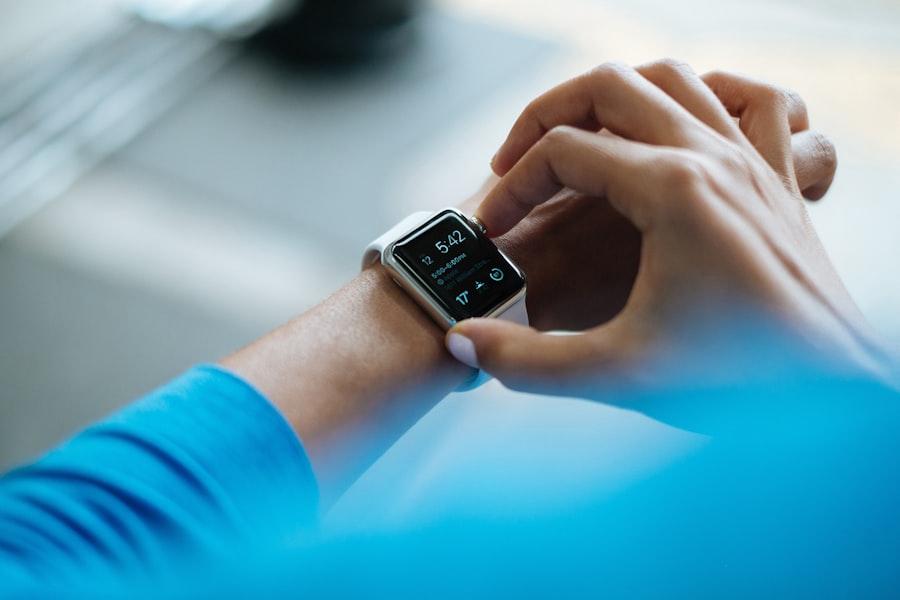
| Fitbit Charge 6 | Whoop 4.0 | |
|---|---|---|
| Price | $159.95 on Amazon | $199-359/year subscription |
| Best For | Everyday fitness tracking | Recovery-focused athletes |
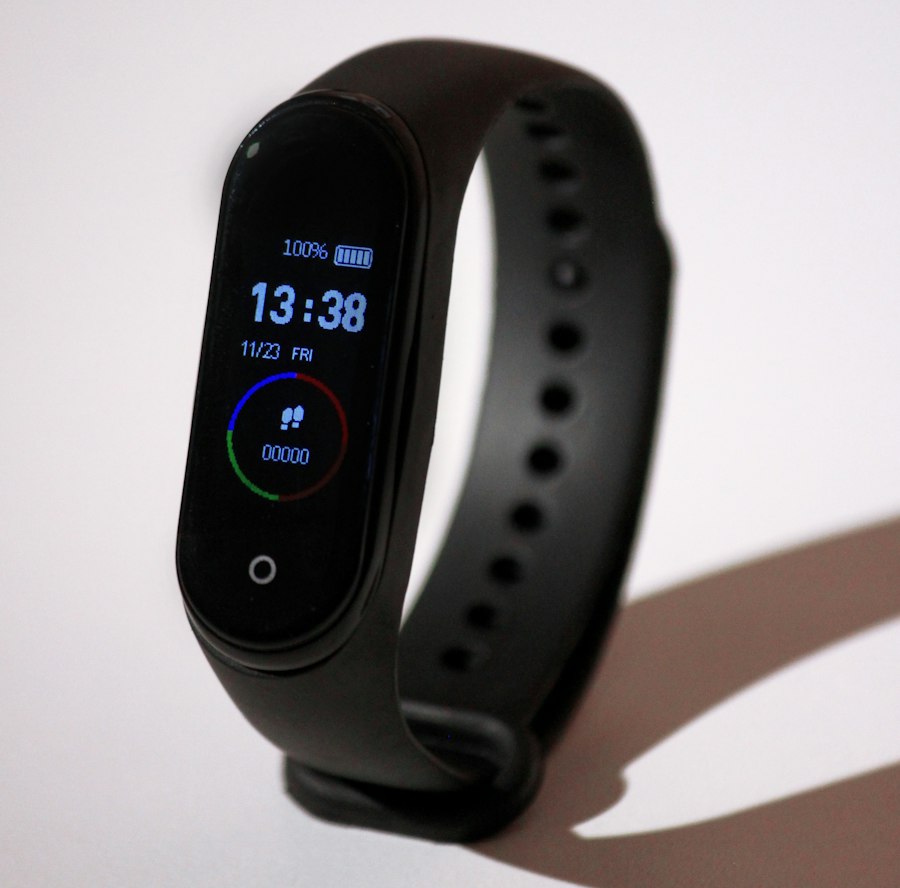
| Screen | Yes, touchscreen AMOLED | No screen |
| GPS | Built-in | None (requires phone) |
| Battery Life | Up to 7 days | 3-5 days |
| Subscription Required | No (Premium optional at $9.99/mo) | Yes (mandatory) |
The Death Match: 6 Rounds, 1 Winner
We're scoring each round from 1-10. Higher score wins the round. Let's fight!
Round 1: Heart Rate Accuracy
Both trackers use optical sensors, but their approaches differ dramatically. Whoop samples heart rate 100 times per second, while Fitbit captures data at 1-second intervals during exercise and 5-second intervals at rest. In theory, Whoop should catch more sudden spikes.
In practice? A study on Whoop 3.0 found HR and HRV sensors to be over 99% accurate. However, The5kRunner testing found Whoop 4.0 can't detect quick heart rate spikes during HIIT workouts, and certain movements (clapping, tapping) cause inflated readings.
Fitbit Charge 6's heart rate was found to be "consistent when compared to a Whoop worn simultaneously" during testing. Both drop to 85-90% accuracy above 160 BPM—only chest straps maintain 98% accuracy at high intensities.
| Fitbit Charge 6 | Whoop 4.0 |
|---|---|
| 7/10 | 8/10 |
Round 1 Winner: Whoop — Higher sampling rate and better HRV granularity edge out Fitbit for serious training analysis.
Score after Round 1: Fitbit 7 | Whoop 8
Round 2: Sleep Tracking
This is where peer-reviewed science gets interesting. A polysomnography study published in PMC compared both against the gold-standard sleep lab equipment:
Total Sleep Time: Whoop showed only -1.4 minutes disagreement (most accurate). Fitbit showed moderate accuracy.
REM Sleep: Fitbit Charge 4 showed just 4.0 minutes disagreement—the most accurate. Whoop? A massive 21.0 minutes disagreement (worst of tested devices).
Deep Sleep: Whoop: -9.3 minutes disagreement. Fitbit: 75% sensitivity.
A 2025 validation study found both significantly underestimate wake time (12-47 minutes off), with similar variability ranges.
Whoop focuses on sleep sufficiency, consistency, and recovery metrics. Fitbit offers detailed sleep stages. If you want to optimize performance, Whoop's recovery insights are superior. If you want accurate REM tracking, Fitbit wins.
| Fitbit Charge 6 | Whoop 4.0 |
|---|---|
| 7/10 | 8/10 |
Round 2 Winner: Whoop — Superior total sleep time accuracy and recovery-focused analytics outweigh the REM tracking weakness.
Score after Round 2: Fitbit 14 | Whoop 16
Round 3: Features & Functionality
This round isn't close. Fitbit Charge 6 includes: - Touchscreen AMOLED display - Built-in GPS for outdoor tracking - Google Maps integration - Google Wallet for contactless payments - Spotify/YouTube Music control - Call, text, and app notifications - 40+ exercise modes
Whoop 4.0? No screen. No GPS (must carry phone). No notifications. No music control. No payments. It tracks strain, recovery, and sleep—that's it.
Wareable notes that Whoop is "rubbish if you do anything other than run or walk" and criticizes it for lacking cardio fitness estimates entirely. One reviewer called it terrible for weight training, swimming, and cycling.
| Fitbit Charge 6 | Whoop 4.0 |
|---|---|
| 9/10 | 5/10 |
Round 3 Winner: Fitbit — Whoop intentionally strips features, but for most users, a screen and GPS aren't optional.
Score after Round 3: Fitbit 23 | Whoop 21
Round 4: Battery Life & Reliability
Fitbit advertises 7-day battery life. User reality? Mixed reviews on Kimola report many getting only 1-3 days with moderate use, and battery health deteriorating within months.
Whoop 4.0 officially lasts 3-5 days. The unique battery pack lets you charge while wearing it—a genuine advantage for 24/7 tracking. However, users complain the charging hardware is easy to misplace and the cable is too short.
Hardware reliability is concerning for both. Fitbit has a 1.2/5 star rating on Sitejabber (119 reviews), with users reporting devices dying within 12-18 months. One user's device "worked for only 37 days" before completely dying.
Whoop bands fade, become soggy, or come loose according to multiple sources. The external battery pack is "awkward to use" and parts are easy to lose.
| Fitbit Charge 6 | Whoop 4.0 |
|---|---|
| 5/10 | 6/10 |
Round 4 Winner: Whoop — While-wearing charging is genuinely innovative, but neither device inspires hardware confidence.
Score after Round 4: Fitbit 28 | Whoop 27
Round 5: Value for Money
Let's do the math over 3 years:
Fitbit Charge 6: $160 one-time. Optional Fitbit Premium at $9.99/month ($360/year) or $79.99/year. Device works fully without subscription.
Whoop 4.0: $199-359/year depending on tier. Over 3 years: $597-$1,077. Device is "practically useless without subscription".
One Whoop user laments: "I can't get my head around the ever increasing, exorbitant cost of the subscription and accessories."
If budget matters at all, Fitbit wins decisively. Prelaunch notes: "Fitbit offers a range of devices at various price points, making it accessible for users on a budget."
| Fitbit Charge 6 | Whoop 4.0 |
|---|---|
| 9/10 | 4/10 |
Round 5 Winner: Fitbit — 4.5x cheaper over 3 years with no mandatory subscription. This round isn't even close.
Score after Round 5: Fitbit 37 | Whoop 31
Round 6: App Experience & Customer Support
Fitbit's app took a hit after Google's acquisition. Users describe it as "less intuitive, more cluttered, and increasingly focused on subscriptions". Persistent syncing failures plague users—once syncing stops, "the tracker effectively loses its purpose."
Customer service? "Appalling since Google took over" according to Complaintsboard. Users report hours on hold and warranty claims denied. In July 2025, Fitbit suffered a major outage that locked users out entirely.
Whoop's app is more focused, built around its strain/recovery system. However, Trustpilot reviews cite a "confusing, lock-in membership that's hard to cancel." The learning curve is steeper since there's no screen—you must use the app for everything.
Neither wins awards here, but Whoop's app is at least purpose-built for its core function rather than being a Google acquisition afterthought.
| Fitbit Charge 6 | Whoop 4.0 |
|---|---|
| 5/10 | 6/10 |
Round 6 Winner: Whoop — Focused app beats Google's cluttered acquisition, despite cancellation frustrations.

Final Score
| Product | Total Score | Verdict |
|---|---|---|
| Fitbit Charge 6 | 42/60 | WINNER |
| Whoop 4.0 | 37/60 |
The Winner: Fitbit Charge 6
Fitbit wins because it does more for less. The Charge 6 includes a screen, GPS, contactless payments, and notification support—features Whoop deliberately excludes. At $160 versus $200+/year, the value proposition isn't even comparable for most users.
Whoop took two rounds (Heart Rate, Sleep) with slightly better accuracy metrics, plus Battery and App for its focused approach. But winning on technicalities doesn't matter when you're missing a screen, GPS, and charging 4x more per year.
The PMC sleep studies show Whoop has marginally better total sleep time accuracy, but Fitbit beats it on REM detection. Both have similar issues with wake detection. For 99% of users, these differences are imperceptible—but the price difference definitely isn't.
Ready to buy the winner? Get Fitbit Charge 6 on Amazon →
When the Loser Actually Wins
Whoop 4.0 isn't right for everyone, but it's the better choice if:
- You're a serious athlete tracking strain and recovery cycles for performance optimization
- HRV-based training guidance is your primary goal—Whoop's recovery scores are more actionable
- You hate screens and want the most minimal, 24/7 wearable possible
- Sleep coaching matters more than sleep stages—Whoop's sufficiency and consistency metrics are superior
- You already accepted subscription fitness (Peloton, WHOOP, etc.) and don't mind the ongoing cost
Reddit users confirm the niche appeal: "The whoop is so much more comfortable and consistent at tracking with better data analytics" for those who use it correctly.
Whoop might be right for you: Check Whoop on Amazon →
Frequently Asked Questions

Is Whoop accurate for heart rate?
Whoop samples at 100 times per second compared to Fitbit's 1-5 second intervals. A study on Whoop 3.0 found HR and HRV sensors over 99% accurate. However, accuracy drops during HIIT and certain movements cause inflated readings. Wearing it further up the arm improves accuracy.
Does Fitbit work without a subscription?
Yes. Fitbit Charge 6 is fully functional without Fitbit Premium ($9.99/month). You get all tracking features, exercise modes, GPS, and notifications. Premium adds deeper insights, guided workouts, and mindfulness content—but isn't required.
Why is Whoop subscription-only?
Whoop positions itself as a "fitness membership" rather than a device purchase. The subscription covers the hardware, software updates, analytics, and (with higher tiers) additional health monitoring features. The device literally stops working if you cancel.
Which is better for weight training?
Neither excels. Fitbit has more exercise modes and better rep counting. Whoop's automatic exercise detection is "hit-and-miss" and reviewers call it "rubbish" for anything beyond cardio. For serious weight training, consider a dedicated app instead.
Can you swim with Fitbit and Whoop?
Both are water-resistant to 50 meters. Fitbit Charge 6 has swim tracking with auto-detection. Whoop 4.0 tracks strain during swimming but users report mixed results with accuracy in the water.
Sources
- Cybernews - WHOOP vs Fitbit Comparison
- Trusted Reviews - Whoop vs Fitbit
- PMC - Fitbit, Garmin, WHOOP vs Polysomnography Study
- PMC - 2025 Wearable Sleep Tracking Validation
- Wareable - Why I'm Falling Out of Love with Whoop
- Wareable - Whoop 4.0 vs Fitbit Charge 5
- MichaelKummer - Fitbit vs WHOOP Comparison
- The5kRunner - WHOOP 4.0/5.0 Review
- Vanity Hero - Whoop vs Fitbit Charge 6
- Today.com - Fitbit vs Whoop Hands-On
- Kimola - Fitbit Charge 6 User Feedback Analysis
- Complaintsboard - Fitbit Reviews
- Trustpilot - Fitbit
- Trustpilot - Whoop
- Sitejabber - Fitbit
- Thingtesting - Whoop Reviews
- PowerMoves - Whoop Review
- Prelaunch - Whoop vs Fitbit
- TechRadar - Fitbit Outage July 2025