
Fitbit vs Samsung Galaxy Watch: The Ultimate Fitness Tracker Showdown
Based on scientific studies, expert reviews from DC Rainmaker and Tom's Guide, and thousands of real user experiences
The short answer: Fitbit wins for dedicated fitness tracking with its 5-7 day battery life, iPhone compatibility, and lower $99 price point. Samsung Galaxy Watch wins if you want a full smartwatch experience with apps, calls, and premium features—but you'll pay 3x more and charge daily. For pure fitness tracking value, Get Fitbit Charge 6 on Amazon for $99 →
The Fighters
| Fitbit Charge 6 | Samsung Galaxy Watch 7 | |
|---|---|---|
| Price | $99 on Amazon | $299 on Amazon |
| Best For | Dedicated fitness tracking, iPhone users | Full smartwatch experience, Samsung ecosystem |
| Battery | 5-7 days | 1-1.5 days |
| Display | 1.04" AMOLED | 1.31-1.5" Super AMOLED |
| Water Resistance | 50m | 50m |
| GPS | Built-in | Dual-frequency (L1+L5) |
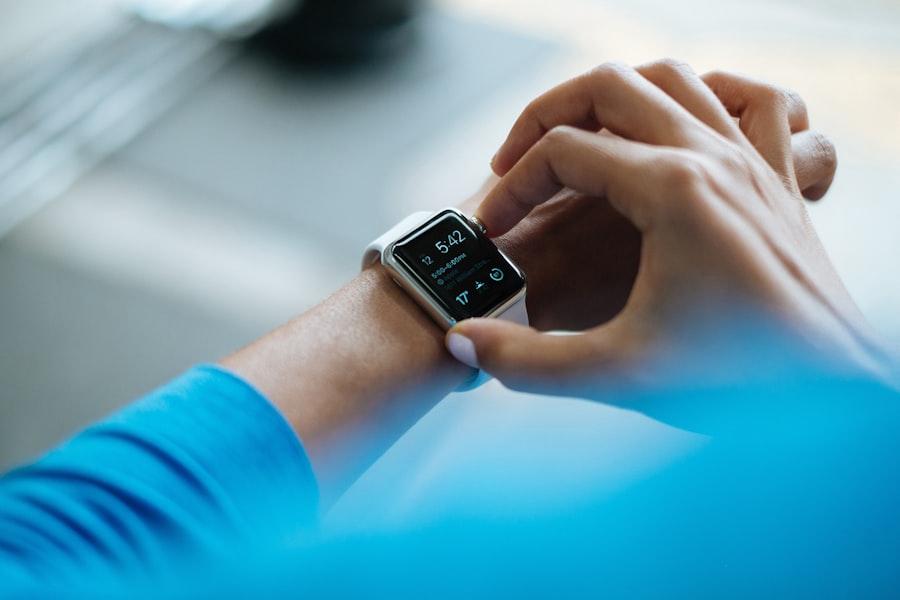
The Death Match: 6 Rounds, 1 Winner
We're scoring each round from 1-10. Higher score wins the round. Let's fight!
Round 1: Fitness Tracking Accuracy
Both devices deliver solid fitness tracking, but with important differences. A peer-reviewed scientific study found both achieved less than 10% Mean Absolute Percentage Error (MAPE) for heart rate—considered clinically acceptable.
However, the devil's in the details. Fitbit underestimated heart rate by just -1.66 bpm while Samsung overestimated by +3.84 bpm. Fitbit outperformed during resting and sedentary activities, while Samsung edged ahead during high-intensity workouts.
DC Rainmaker's testing revealed concerning Samsung GPS issues: "impressively very bad GPS track" on an 800m straight course, adding 20-30 meters per kilometer to runs. Even in open grass with no trees, accuracy remained problematic.
BestReviews testing confirmed: "All health tracking, with the exception of sleep tracking, is as accurate as the Fitbit."
| Fitbit Charge 6 | Samsung Galaxy Watch 7 |
|---|---|
| 8/10 | 7/10 |
Round 1 Winner: Fitbit — More consistent accuracy across activities with significantly better GPS reliability
Score after Round 1: Fitbit 8 | Samsung 7
Round 2: Battery Life
This round isn't even close. Fitbit dominates the battery department with 5-7 days of real-world usage, while Samsung struggles to make it through a single day with always-on display enabled.
TechRadar's testing found the Charge 6 "comes quite close to the seven day figure a lot of the time, with six days being more reasonable to expect." Even heavy GPS and notification use still nets around 5 days.
Meanwhile, Samsung's Galaxy Watch 7 delivers just 30-40 hours without always-on display—and drops to 24 hours or less with it enabled. Android Central reports the Watch 7 "will not last for more than a day" with always-on display.
This matters for fitness tracking: charging nightly means missing sleep data. Multiple users report switching to Fitbit specifically because they "stopped wearing Samsung consistently, especially during sleep tracking weeks."
| Fitbit Charge 6 | Samsung Galaxy Watch 7 |
|---|---|
| 10/10 | 5/10 |
Round 2 Winner: Fitbit — 3-4x longer battery life fundamentally changes how you use the device
Score after Round 2: Fitbit 18 | Samsung 12
Round 3: Smartwatch Features
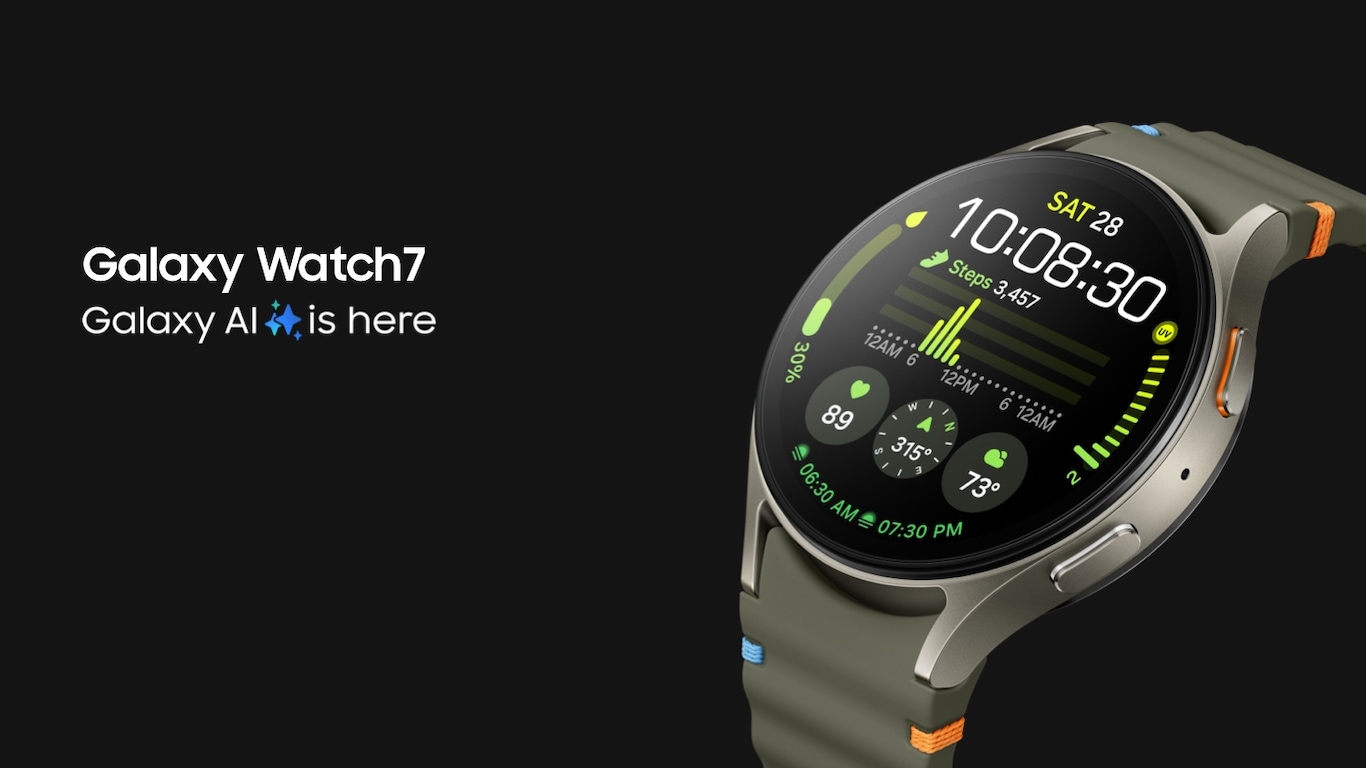
Here's where Samsung flexes its muscles. The Galaxy Watch 7 is a full-fledged smartwatch with the Google Play Store, Google Assistant, Wallet, and Maps integration. You can take calls, reply to messages, stream Spotify, and run third-party apps.
The Samsung Galaxy Watch 7 features Samsung's new 3nm Exynos processor—the fastest chip in any WearOS watch. Apps launch instantly, and the watch handles multitasking smoothly.
Fitbit? It's a fitness tracker with limited smart features. You get Google Wallet for payments and Google Maps turn-by-turn directions (a new addition), but no app store, no Assistant, and no phone calls. The 1.04" display works for glancing at stats but isn't great for extended interaction.
If you want a device that replaces your phone during workouts, Samsung wins. If you just want fitness data on your wrist, Fitbit's simplicity is actually a feature.
| Fitbit Charge 6 | Samsung Galaxy Watch 7 |
|---|---|
| 5/10 | 9/10 |
Round 3 Winner: Samsung — Full smartwatch functionality vs fitness-focused simplicity
Score after Round 3: Fitbit 23 | Samsung 21
Round 4: Sleep Tracking
Sleep tracking is where Fitbit built its reputation—and it still shows. Fitbit's sleep analysis provides detailed breakdown of light, deep, and REM sleep stages, sleep score calculations, and personalized insights.
BestReviews found sleep tracking "to be mediocre at best on the Samsung Watch6 and Watch6 Classic." Meanwhile, the Fitbit Inspire 3 was praised for having "accurate heart rate and sleep data."
Samsung has added impressive features like FDA-approved sleep apnea detection (after 7 nights of tracking), but the basic sleep stage accuracy lags behind Fitbit. Samsung's "sleep animals" feature (telling you what kind of sleeper you are) is cute but gimmicky compared to Fitbit's actionable insights.
The catch? Fitbit locks detailed sleep stage data behind its $9.99/month Premium subscription. Without it, you only see basic sleep duration. Samsung includes everything free.
| Fitbit Charge 6 | Samsung Galaxy Watch 7 |
|---|---|
| 8/10 | 6/10 |
Round 4 Winner: Fitbit — More accurate sleep data, though Premium subscription is needed for full details
Score after Round 4: Fitbit 31 | Samsung 27
Round 5: Value for Money
Let's talk numbers. Fitbit Charge 6 costs $99 (regularly $159, currently at its lowest price ever). Samsung Galaxy Watch 7 starts at $299 for the 40mm model, $329 for the 44mm.
That's a 3x price difference.
For fitness tracking—which is what most buyers want—Fitbit delivers comparable or better accuracy at one-third the cost. Tom's Guide notes the Galaxy Watch 7 "is easily the best Android smartwatch for the money"—but that's still $200 more than Fitbit.
Fitbit also works with iPhones. Samsung requires Android and works best with Samsung phones (ECG and blood pressure features require Samsung Health Monitor, which only runs on Samsung devices).
The premium subscription question: Fitbit Premium costs $9.99/month ($79.99/year), but new Charge 6 purchases include 6 months free. Even with a full year of Premium, Fitbit ($179 total) costs less than Samsung.
| Fitbit Charge 6 | Samsung Galaxy Watch 7 |
|---|---|
| 9/10 | 6/10 |
Round 5 Winner: Fitbit — One-third the price with comparable fitness features
Score after Round 5: Fitbit 40 | Samsung 33
Round 6: Reliability & Support
Both brands have struggled recently. Fitbit faced a major service outage in July 2025 that prevented users from syncing or signing in. Review sites show 1.2-star ratings with complaints about customer service: "Once Fitbit was taken over by Google, the customer service has become appalling."
Samsung had its own crisis: the One UI 8 Watch update in December 2025 caused battery drain (12-15 hours instead of 24+), broken sensors (heart rate, sleep tracking, ECG stopped working), and Samsung had to pause the rollout entirely.
Long-term reliability? Multiple Fitbit users report devices failing within 12-18 months, just after warranty expires. Samsung watches face the rotating bezel degradation issue and battery capacity loss.
Neither wins this round convincingly, but Samsung's software update problems are more severe (rendering hardware features useless) while Fitbit's issues are primarily service-related (still trackable locally).
| Fitbit Charge 6 | Samsung Galaxy Watch 7 |
|---|---|
| 6/10 | 5/10 |
Round 6 Winner: Fitbit — Both have issues, but Samsung's software problems disabled core hardware features
Final Score
| Product | Total Score | Verdict |
|---|---|---|
| Fitbit Charge 6 | 46/60 | WINNER |
| Samsung Galaxy Watch 7 | 38/60 |
The Winner: Fitbit Charge 6
For dedicated fitness tracking, Fitbit delivers better value on every front that matters: longer battery life (5-7 days vs 1 day), comparable or better tracking accuracy, superior sleep analysis, and a price that's one-third of Samsung's.
The Samsung Galaxy Watch 7 is genuinely the better smartwatch—with app access, phone calls, and premium build quality. But most people shopping "Fitbit vs Samsung" want a fitness tracker, not a miniature smartphone. And for that use case, Fitbit wins decisively.
Samsung's recent One UI 8 update disaster—breaking sensors and draining batteries—highlights the risks of complex smartwatch software. Fitbit's simpler approach means fewer things can go wrong.
Ready to buy the winner? Get Fitbit Charge 6 on Amazon for $99 →
When the Loser Actually Wins
Samsung Galaxy Watch 7 isn't right for everyone, but it's the better choice if:
- You want a full smartwatch experience — Apps, calls, messages, and Google Assistant on your wrist
- You own a Samsung phone — The Galaxy ecosystem integration is seamless, including exclusive features like ECG and blood pressure monitoring
- You can commit to daily charging — If you already charge your phone nightly, adding a watch isn't a big deal
- You want body composition analysis — Samsung's BioActive sensor measures body fat, muscle mass, and water percentage
- Sleep apnea detection matters to you — Samsung's FDA-approved feature could catch a serious health condition
Samsung Galaxy Watch 7 might be right for you: Check price on Amazon →
Frequently Asked Questions
Does Fitbit work with iPhones?
Yes, Fitbit works with both iPhone and Android. Samsung Galaxy Watch only works with Android phones—there's no iOS support at all. This makes Fitbit the only choice for iPhone users comparing these two brands.
Is Fitbit Premium worth it?
Mixed reviews. At $9.99/month, you unlock sleep stage details, readiness scores, and 90+ day trends that are locked in the free version. Android Police called it "dubious value at a questionable price" since Samsung includes everything free. The 6-month trial with new devices lets you decide before paying.
Why is Samsung Galaxy Watch GPS so inaccurate?
DC Rainmaker's testing suggests it's an antenna design problem rather than chipset limitation—meaning firmware updates likely won't fix it. The watch adds 20-30m per kilometer, which matters for serious runners tracking pace and distance.
Which is more accurate for heart rate?
A peer-reviewed study found both within acceptable accuracy ranges (<10% MAPE). Fitbit slightly underestimates (-1.66 bpm), Samsung slightly overestimates (+3.84 bpm). Fitbit performs better at rest; Samsung performs slightly better during intense activity.
Sources
- PMC Scientific Study - Heart Rate Accuracy
- DC Rainmaker - Samsung Galaxy Watch 7 Review
- Tom's Guide - Samsung Galaxy Watch 7 Review
- Android Central - Samsung Galaxy Watch 7 Review
- TechRadar - Fitbit Charge 6 Review
- BestReviews - Fitbit vs Samsung Watch
- How-To Geek - Galaxy Watch vs Fitbit
- Android Authority - Fitbit Premium Review
- SammyFans - One UI 8 Watch Issues
- Tom's Guide - Best Fitness Tracker Deals