
Blink vs Arlo: Which Security Camera Actually Protects Your Home?
Based on expert testing from Security.org, SafeHome.org, and real user experiences from Trustpilot, Arlo Community forums, and AVS Forum
The short answer: Arlo wins for most users who want the best video quality, color night vision, and broad smart home integration. But if you're on a tight budget and just need basic monitoring with incredible battery life, Blink delivers solid security at half the price. Get Arlo Pro 5S on Amazon for $249 →
The Fighters
| Blink | Arlo | |
|---|---|---|
| Price | $99 on Amazon | $249 on Amazon |
| Best For | Budget-conscious, Alexa users | Feature seekers, Apple HomeKit users |
| Resolution | 1080p HD | 2K HDR (up to 4K on Ultra) |
| Battery Life | Up to 2 years | 3-6 months |
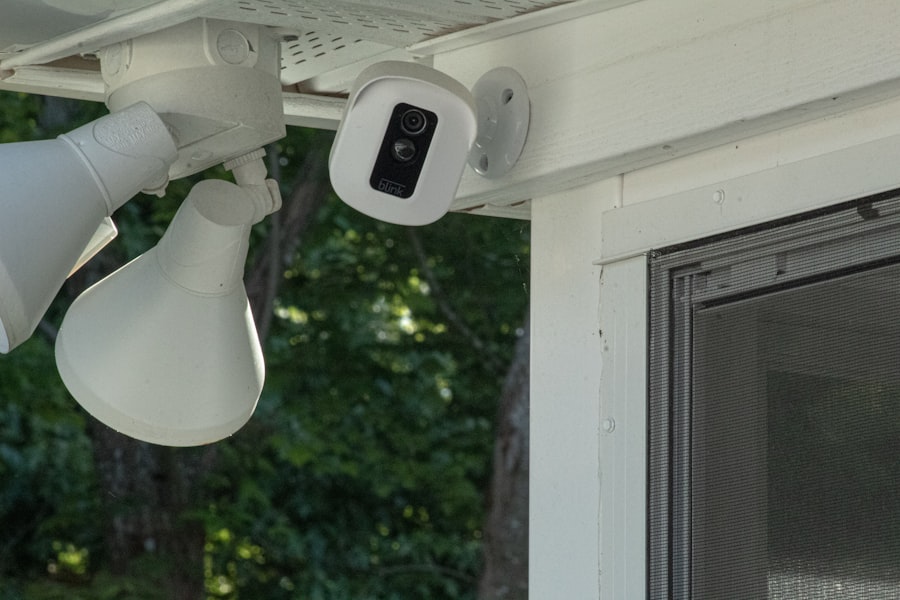
| Night Vision | Infrared (B&W) | Color with spotlight |
The Death Match: 6 Rounds, 1 Winner
We're scoring each round from 1-10. Higher score wins the round. Let's fight!
Round 1: Video Quality
Arlo delivers noticeably sharper footage with its 2K HDR resolution on the Pro 5S and a massive 160-degree field of view. The Ultra 2 pushes to 4K with auto-zoom and tracking capabilities. Blink sticks to 1080p HD across its entire lineup with a narrower 110-143 degree field of view.
Expert testing from Modern Castle found that "Arlo tends to be a bit more 'true to life' and with slightly more contrast. Blink struggles a little bit with overexposure at windows." For identifying faces or reading license plates, Arlo's higher resolution makes a real difference.
That said, Blink's 1080p is perfectly adequate for most home security needs—you'll see what's happening, just with less detail for zooming in.
| Blink | Arlo |
|---|---|
| 6/10 | 9/10 |
Round 1 Winner: Arlo — 2K HDR and 160° field of view crushes Blink's basic 1080p
Score after Round 1: Blink 6 | Arlo 9
Round 2: Night Vision
This is where Arlo pulls ahead dramatically. All current Arlo models feature color night vision using an integrated spotlight, plus traditional infrared for discreet monitoring. According to Security.org, "Arlo uses its night vision to the fullest. Due to the integrated lighting in their cameras, you can capture full-color, sharp-looking footage even at night."
Blink offers only infrared night vision, which means black-and-white footage after dark. SafeHome.org testing noted that faces can be "washed out if they are closer to the camera" in Blink's night mode.
For catching intruders in the dark, color footage with a deterrent spotlight beats grainy black-and-white video every time.
| Blink | Arlo |
|---|---|
| 5/10 | 9/10 |
Round 2 Winner: Arlo — Color night vision with spotlight versus basic infrared is no contest
Score after Round 2: Blink 11 | Arlo 18
Round 3: Battery Life
Here's where Blink dominates. The Outdoor 4 runs on two AA lithium batteries and Blink advertises up to 2 years on default settings. Real-world results vary—some users report 6 months to 2 years depending on motion activity and temperature—but it still crushes Arlo's 3-6 month average.
Arlo's shorter battery life means more frequent recharging or battery swaps. Worse, Arlo Community users report battery degradation after 1-2 years, with replacement batteries costing around $48 each. One user warned: "Arlo Pro 2 camera batteries could not be recharged at all after way less than a year."
If you hate dealing with batteries or have cameras in hard-to-reach spots, Blink's marathon battery life is a game-changer.
| Blink | Arlo |
|---|---|
| 9/10 | 5/10 |
Round 3 Winner: Blink — 2 years vs 6 months isn't even close
Score after Round 3: Blink 20 | Arlo 23
Round 4: Smart Home Integration
Blink, owned by Amazon, works with Alexa and IFTTT. That's it. No Google Assistant, no Apple HomeKit, no Samsung SmartThings.
Arlo supports every major smart home platform: Amazon Alexa, Google Assistant, Apple HomeKit, IFTTT, and Samsung SmartThings. As one AVS Forum user explained: "Arlo is HomeKit so you can ask Siri to 'show you the front door.' The best thing about HomeKit devices is that like 95% of HomeKit devices can also work with Alexa."
For Apple households or anyone using Google Assistant, Blink simply isn't an option. Arlo's flexibility lets you build a cohesive smart home regardless of your ecosystem.
| Blink | Arlo |
|---|---|
| 4/10 | 9/10 |
Round 4 Winner: Arlo — Universal platform support versus Alexa-only is no competition
Score after Round 4: Blink 24 | Arlo 32
Round 5: Value for Money
Let's talk dollars. The Blink Outdoor 4 costs $99 for a single camera system. The comparable Arlo Pro 5S 2K runs $249—two and a half times more.
Monthly subscriptions tell a similar story. Blink's plans start at $3.99/month for one camera or $10/month for unlimited cameras with 60-day cloud storage. Arlo charges $7.99/month for one camera or $17.99/month for unlimited, with only 30-day storage.
Over 3 years with 3 cameras: - Blink: $297 hardware + $360 subscription = $657 total - Arlo: $747 hardware + $647 subscription = $1,394 total
Blink costs roughly half as much for basic monitoring. But "basic" is the keyword—you're sacrificing 2K video, color night vision, and HomeKit support for those savings.
| Blink | Arlo |
|---|---|
| 9/10 | 6/10 |
Round 5 Winner: Blink — Half the cost for 80% of the functionality
Score after Round 5: Blink 33 | Arlo 38
Round 6: Long-Term Reliability
Both brands have reliability issues reported by users, but the problems differ.
Blink concerns: Trustpilot reviews mention Wi-Fi connectivity problems, notification failures (described as a "known issue" by customer service), and some users reporting 3 device failures in under 2 years. The Blink UK rating sits at a dismal 1.2/5 stars.
Arlo concerns: Arlo Community forums are filled with reports of cameras failing just after the 1-year warranty expires. Battery degradation is common after 1-2 years. Cold weather performance (below 0°C) is particularly problematic—"the battery no longer charges reliably."
SafeHome.org rates Arlo's customer service at 8.0/10 versus Blink's 7.5/10, but both have vocal critics online.
Neither brand is perfect, but Arlo's more robust construction and professional monitoring option give it a slight edge for serious home security.
| Blink | Arlo |
|---|---|
| 6/10 | 7/10 |
Round 6 Winner: Arlo — Better build quality and more support options
Final Score
| Product | Total Score | Verdict |
|---|---|---|
| Arlo | 45/60 | WINNER |
| Blink | 39/60 |
The Winner: Arlo
Arlo takes this death match with superior video quality, color night vision, and universal smart home support. The Pro 5S 2K delivers 2K HDR footage, a 160-degree field of view, and works with Alexa, Google, Apple HomeKit, and SmartThings. Expert ratings back this up: Security.org gives Arlo 8.8/10 as "Best DIY System" versus Blink's 8.4/10.
Yes, Arlo costs more upfront and has shorter battery life. But for home security, image quality matters—you need to actually identify who's at your door or skulking around your backyard. Arlo's color night vision and 2K resolution make that possible. Blink's 1080p infrared footage might show that something happened, but Arlo shows you who did it.
The SafeHome.org breakdown tells the story: Arlo scores 9.0/10 for Features & Technology versus Blink's 6.5/10. That gap is real and noticeable in daily use.
Ready to buy the winner? Get Arlo Pro 5S 2K on Amazon →
When the Loser Actually Wins
Blink isn't right for everyone, but it's the better choice if:
- You're on a strict budget — At $99 vs $249 per camera, Blink's savings add up fast for multi-camera setups
- Battery life is your priority — 2-year battery life means truly "set and forget" installation
- You only use Alexa — If you're all-in on Amazon's ecosystem, Blink integrates seamlessly
- You're renting — Easy installation, lower investment, nothing permanent
- Basic monitoring is enough — 1080p captures the essentials without premium pricing
Blink might be right for you: Check Blink Outdoor 4 price on Amazon →
Frequently Asked Questions
Do Blink cameras work without a subscription?
Yes, but with limitations. Without a subscription ($3.99-$10/month), you get live view and motion alerts but no cloud storage for recorded clips. You can store video locally with a Sync Module 2 and USB drive. Trustpilot users note that cameras are "virtually useless" without the subscription since you can't review what triggered an alert.
Does Arlo work with Apple HomeKit?
Yes, several Arlo models support Apple HomeKit, including the Pro 4, Pro 5S, and Essential cameras. This lets you view feeds through the Apple Home app, use Siri commands like "show me the front door," and integrate with HomeKit automations. This is a major advantage over Blink, which only works with Alexa.
How long do batteries actually last?
Blink advertises 2 years but real-world results range from 6 months to 2+ years depending on motion activity, temperature, and settings. Arlo advertises 3-6 months and generally delivers that, though cold weather significantly impacts performance. Arlo Community users report battery degradation requiring replacement after 1-2 years ($48/battery).
Can I mix Blink and Arlo cameras?
Technically yes—they're separate systems with separate apps. But there's no unified viewing experience, and you'd pay for two subscriptions. Most users pick one ecosystem and stick with it. If you need broad smart home integration, Arlo's compatibility with multiple platforms makes it easier to build out over time.
Sources
- Security.org - Arlo vs Blink Comparison
- SafeHome.org - Blink vs Arlo
- Trustpilot - Blink Reviews
- Trustpilot - Arlo UK Reviews
- AVS Forum - Blink or Arlo Discussion
- Arlo Community - Camera Lifespan
- Arlo Community - Warranty Issues
- Blink Support - Battery Life FAQ
- Modern Castle - Blink vs Arlo
- Arlo Official - Pro 5S 2K
- TechRadar - Blink vs Arlo